A positive HIV diagnosis raises practical questions: when to start treatment, which tests matter, how infections are handled, and what support helps you stay well. By the end, you will understand how these services fit into one care plan and what should trigger faster clinical review.
Key takeaways
- Start antiretroviral therapy promptly after confirmed HIV diagnosis.
- Use viral load and CD4 results to track treatment response.
- Report new symptoms early to prevent serious HIV-related infections.
- Ask for adherence, mental-health and prevention support when care becomes difficult.
How care moves from diagnosis to effective antiretroviral treatment
A positive HIV diagnosis starts a care plan, not a wait for symptoms. The result is confirmed through the applicable testing algorithm, then a clinician assesses your health, medicines and readiness for rapid antiretroviral therapy (ART) initiation.
ART is recommended for every person with HIV, at any CD4 count, and treatment should begin as soon as possible.
Before or alongside the first prescription, the team checks:
- HIV RNA, also called viral load, to establish a baseline
- CD4 count, especially to identify a count below 200 cells/mm³
- Kidney and liver function, which affect medicine choice and safety
- Hepatitis B and C status
- Pregnancy status when relevant
- Resistance results and current medicines, including supplements
The clinician also looks for active tuberculosis and symptoms of cryptococcal meningitis before rapid treatment. Headache, confusion, fever, weight loss, cough or breathing difficulty needs prompt evaluation because infection treatment and ART timing can require coordination. A CD4 count below 200 can lead to Pneumocystis jirovecii pneumonia prophylaxis while immunity recovers.
ART does not eradicate HIV; it blocks viral replication. Consistent treatment aims for viral suppression, allowing immune recovery and reducing illness. Sustained undetectable viral load prevents sexual transmission of HIV—the U=U message—but requires continued treatment and follow-up.
How clinicians choose medicines and monitor whether they are working
Viral load is the main measure of whether ART is suppressing HIV. An undetectable result supports continued treatment and, when suppression is sustained, means HIV is not sexually transmitted. It does not remove the need for STI testing, contraception or condoms when desired, or continued HIV monitoring.
| Information checked | What it tells the clinician | How it guides care |
|---|---|---|
| Viral load | Whether HIV is suppressed | Repeat after starting or changing ART, then at routine intervals |
| CD4 count | The strength of immune protection | Identifies infection risk and the need for prophylaxis, especially below 200 cells/mm³ |
| Medical history | Relevant risks and treatment constraints | Guides choices for pregnancy, hepatitis B or C, tuberculosis, allergies, prior ART and resistance |
| Kidney and liver tests | Whether organs can safely process medicines | Determines drug selection, dosing and toxicity follow-up |
| Other medicines | Possible drug interactions | Prevents reduced ART levels or avoidable side effects |
A detectable viral load does not automatically prove treatment failure. Clinicians check ART adherence, missed doses, access problems, vomiting or malabsorption, drug interactions and resistance before changing the regimen. They also review symptoms and prescription or non-prescription medicines.
Routine follow-up may include viral load, CD4 count, kidney and liver function, blood counts, glucose or lipid testing, pregnancy testing and hepatitis screening. A falling CD4 count, new infection or medication toxicity prompts earlier review; stable suppression supports continuing the regimen and reinforcing ART adherence.
How comprehensive care prevents and treats HIV-related infections
ART is recommended for everyone with HIV and should begin as soon as possible, after checking for conditions that change immediate treatment. Screen for HIV and tuberculosis at regular visits, even without a cough; symptoms or a positive screen require diagnostic testing.
Latent-TB treatment must be matched to ART because rifamycin drugs interact with integrase inhibitors and other antiretrovirals.
Treating opportunistic infections alongside ART requires condition-specific timing. Clinicians usually start ART within two weeks of beginning treatment for most acute infections, but cryptococcal meningitis is a major exception: starting too early can trigger dangerous intracranial IRIS, so ART is usually deferred for about four to six weeks after antifungal treatment begins.
With a low CD4 count, blood cryptococcal-antigen screening can find disseminated disease before symptoms; a positive result needs urgent clinical work-up, not routine reassurance.
Seek urgent assessment for:
- Severe breathlessness, low oxygen, or worsening pneumonia symptoms
- Headache, fever, confusion, visual changes, seizures, or other signs suggesting cryptococcal meningitis
- Persistent vomiting, dehydration, inability to take oral medicines, or severe medication toxicity
- Rapid deterioration, profound weakness, or altered mental status
Inpatient care is appropriate for severe infection, respiratory compromise, dehydration, serious toxicity, or inability to take oral treatment. The hospital team coordinates infection treatment, ART timing, infection control, nutrition, symptom relief, discharge medicines, and rapid follow-up.
How counselling supports prevention, mental health and long-term health
A missed dose is often a solvable problem, not a personal failure. HIV counselling identifies the cause—side effects, stigma, depression, substance use, unstable housing, food insecurity, transport, pill burden or pharmacy access—so clinicians can adjust the regimen or connect you with practical support.
U=U means a person who maintains an undetectable viral load on ART does not sexually transmit HIV. This depends on sustained suppression and regular viral-load monitoring; it does not replace STI testing, condoms for pregnancy or other-infection prevention, or discussions about partners and disclosure.
At follow-up, ask whether your review includes:
- Kidney and liver function, blood pressure, cholesterol, glucose and weight
- Hepatitis A, B and C status, tuberculosis screening, STI tests and vaccination needs
- Medication reconciliation, including antiretrovirals, tuberculosis drugs, anticonvulsants, acid suppressants, anticoagulants, hormones and supplements
- Cancer screening, reproductive goals and pregnancy-related care
- Depression, anxiety, sleep, substance use and other mental health support
HIV prevention also includes testing partners when appropriate, condoms or PrEP for an HIV-negative partner, and advice about safer injecting equipment. Hiv @ AIDS CLINIC can use a nonjudgmental medication review to uncover barriers before they cause treatment interruptions. Seek prompt help for hopelessness, suicidal thoughts, severe substance-use problems or inability to take medicines.
Related products
 | Will counsel patients regarding hiv/aids about how hiv gets transmitted and how it is not transmitted counsel about the stagesof hiv/aids counsel... View product → |
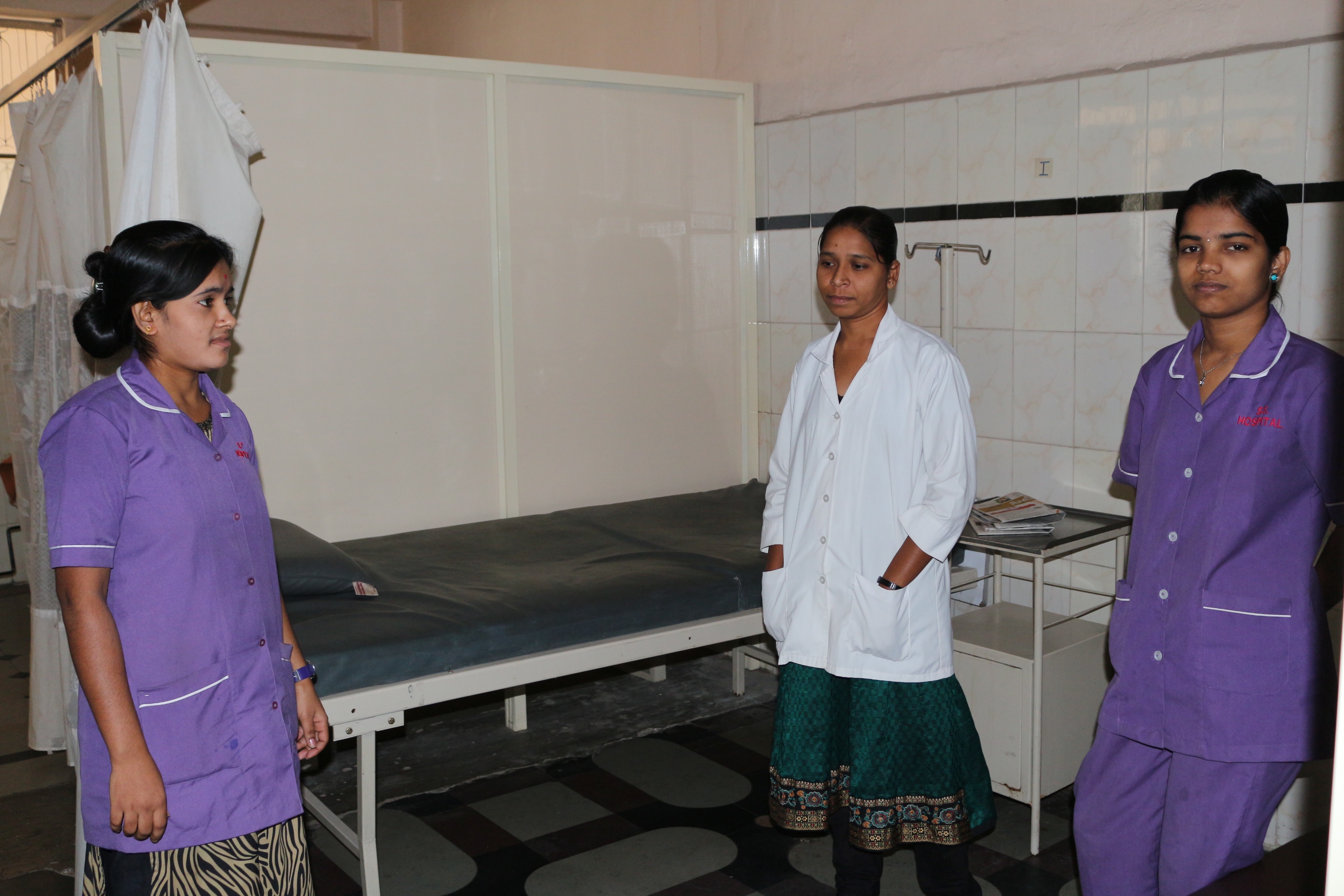 | ADMISSION OF SICK HIV/AIDS PATIENTS The Hospital has separate wards and isolation rooms meant for admitting hiv patients in the second floor with good nursing care. View product → |
What clinicians do when viral load remains detectable or care becomes difficult
A detectable viral load after treatment starts is investigated, not treated as automatic proof of failure. Clinicians review missed HIV medication, dosing routine, side effects, pharmacy interruptions, cost, stigma, drug interactions and absorption problems such as vomiting or diarrhoea.
They repeat HIV RNA when appropriate and order HIV drug resistance testing before changing the regimen when the viral load is persistently elevated.
A single low-level “blip” can resolve, but persistent HIV RNA at or above 200 copies/mL generally indicates virologic failure. The CD4 count shows immune status rather than treatment success, so clinicians use it to assess infection risk and prophylaxis needs while viral load guides ART decisions.
Seek urgent medical assessment for:
- Breathlessness, low oxygen, chest pain, coughing blood or rapidly worsening cough
- Confusion, seizure, severe headache, stiff neck or a new weakness
- Inability to keep fluids or medicines down, severe dehydration or very little urine
- High fever with worsening weakness, severe pain, extensive rash or suspected severe medication toxicity
- A medication supply gap that could interrupt ART, especially if you cannot obtain replacement tablets within 24 hours
Inpatient care may be needed for respiratory compromise, severe opportunistic infection, altered mental status, dehydration, serious toxicity or inability to take oral treatment. After stabilisation, HIV follow-up care should include discharge medicines, interaction checks, infection treatment, adherence support and a rapid outpatient review.
Frequently asked questions
How does HIV care move from diagnosis to antiretroviral treatment?
After confirmation through the applicable testing algorithm, a clinician reviews your health, medicines and readiness before starting or planning rapid ART initiation.
How do clinicians know whether HIV medicines are working?
They review viral-load results, CD4 measurements, symptoms, side effects, medicine interactions and how consistently doses are taken.
How does comprehensive care manage HIV-related infections?
Clinicians assess symptoms early, identify infections through examination and tests, provide appropriate treatment and use preventive care when indicated.
What support does HIV counselling provide?
Counselling can address prevention, disclosure, mental health, adherence, relationships, sexual health and practical barriers to long-term care.
What happens when viral load remains detectable?
Clinicians review missed doses, drug interactions, absorption problems and resistance risk, then arrange further testing or adjust the treatment plan when needed.
Related items
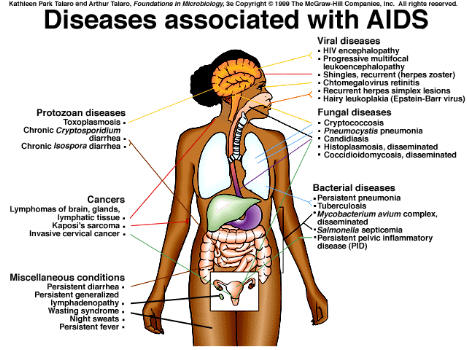 | Treatment Of Common Infections In HIV Tuberculosis treatment Pneumonia treatment fungal infection eg candidiasis treatment gastroenteritis treatment herpes simlex / zoster View product → |
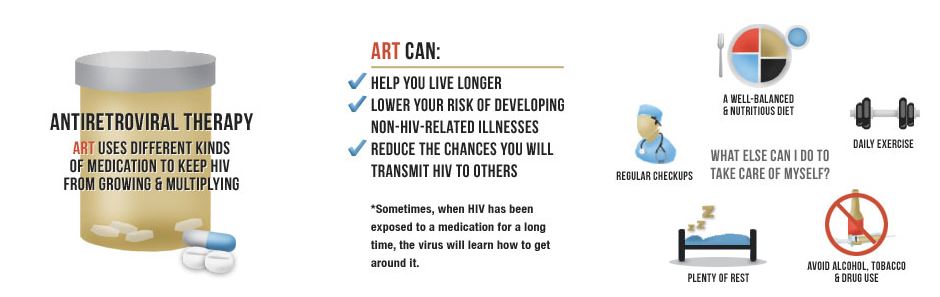 | There are different medicines for treating hiv patients .we choose regimen depending on the age of the patient , affordability of the patients and... View product → |
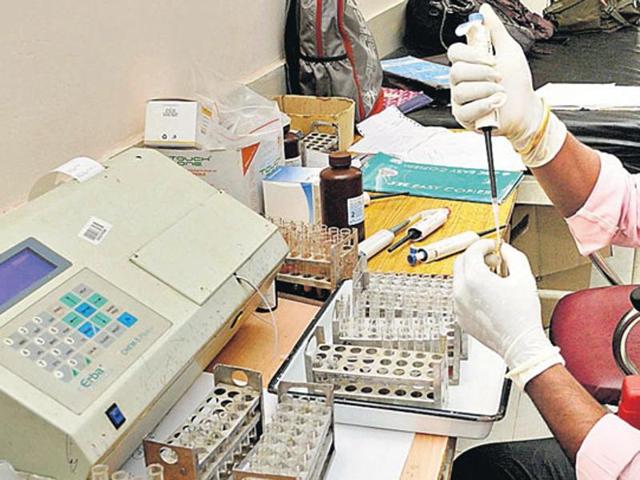 | The different tests available are tridot test :300 elisa test :1000 western blot test :3000 cd4 testing :2000 viral load testing :5000 cd4 and viral... View product → |
General Consultation ₹500 General Consultation |