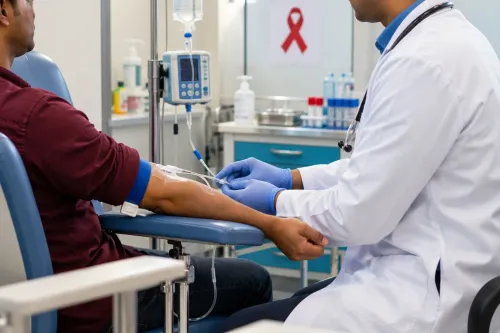
Severe breathlessness, confusion, dehydration, persistent fever, seizures, or an inability to take HIV medicines can turn a manageable illness into an emergency. You will learn which warning signs need hospital assessment, what clinicians check after admission, how inpatient teams treat serious infections safely, and what a safe discharge plan includes.
Key takeaways
- Seek admission when illness threatens breathing, circulation, brain function, or hydration.
- Tell clinicians every medicine, supplement, and recent dose you have taken.
- Ask for infection treatment, antiretroviral review, nutrition support, and medicine monitoring.
- Before discharge, obtain prescriptions, follow-up dates, warning signs, and transport plans.
When HIV-related illness needs hospital care
Choose hospital care when an HIV-related illness threatens breathing, circulation, brain function, hydration, nutrition, medicine absorption, or safe monitoring. HIV alone is not a reason for admission.
- Seek urgent assessment for severe breathlessness, low oxygen saturation, confusion, seizures, suspected sepsis, persistent high fever, severe dehydration, repeated vomiting, or inability to keep medicines down.
- Use home treatment only when symptoms are mild, oral medicines stay down, hydration is adequate, and a clinician has provided a safe plan.
- Arrange outpatient review when you are stable but need examination, tests, a treatment change, or close follow-up.
- Go to emergency care when symptoms are worsening or any warning sign appears.
| Care setting | What it provides | When it applies |
|---|---|---|
| Home | Oral treatment and self-monitoring | Stable symptoms, adequate intake, and reliable follow-up |
| Outpatient clinic | Examination, testing, and treatment adjustment | Stable illness needing review |
| Emergency department | Immediate assessment and stabilisation | Severe symptoms or rapid deterioration |
| Inpatient ward | Continuous observation and coordinated treatment | Organ threat, unsafe oral treatment, or close monitoring required |
The benefits of inpatient care for HIV patients include rapid response to deterioration, oxygen support, intravenous fluids, nutrition, supervised medication delivery, and input from infectious-disease, respiratory, pharmacy, and other teams. Hospital care for HIV patients can also identify an opportunistic infection faster through repeated tests and imaging.
A person who appears stable after emergency assessment may still need admission if treatment requires intravenous therapy, repeated testing, or overnight observation.
What clinicians assess after admission
The first assessment establishes whether the illness is worsening and what support you need. Clinicians repeat temperature, pulse, blood pressure, respiratory rate, mental-status checks, urine output, weight, hydration status, and oxygen saturation; when safe, they record saturation while you breathe room air.
A falling urine output, rising breathing rate, confusion, or low oxygen level can change the treatment plan quickly.
Likely investigations include:
- Complete blood count, electrolytes, glucose, kidney-function tests, and liver-function tests
- CD4-cell count and a viral load when the result will change management
- Blood cultures for suspected bloodstream infection
- Chest imaging and targeted microbiology
- Sputum or other samples for tuberculosis, Pneumocystis jirovecii, bacterial pneumonia, fungal disease, viral infection, or gastrointestinal pathogens
A low CD4 count broadens the list of possible opportunistic infections, but a higher count does not rule out serious bacterial, viral, fungal, or noninfectious disease. The team matches HIV-specific results with symptom patterns, imaging, cultures, and examination findings rather than treating a laboratory number in isolation.
That combination shows whether you need home treatment, outpatient review, or monitored HIV inpatient treatment. It also delivers key inpatient HIV care benefits: clinicians can repeat tests, give oxygen or fluids, monitor medicine absorption, and respond quickly when breathing, circulation, hydration, or mental status deteriorates.
How hospital teams manage serious infections and complications
Having oxygen, intravenous fluids, diagnostic testing, and specialist treatment available at once lets a hospital respond before an infection causes respiratory failure, shock, brain injury, or severe dehydration. Hospital care for HIV patients also supports nutrition, medication supervision, and repeated reassessment when symptoms change.
| Pneumonia type | Immediate priority | Diagnostic and infection-control approach |
|---|---|---|
| Bacterial pneumonia | Antibiotics, oxygen, fluids, and sepsis monitoring | Chest imaging, blood cultures, and respiratory samples when indicated; standard precautions |
| Suspected pulmonary tuberculosis | Airborne isolation and prompt treatment planning | Airborne infection isolation room, fit-tested respirators, sputum testing, chest imaging, and microbiologic evaluation |
- For Pneumocystis pneumonia, check room-air oxygen quickly. Treat with high-dose trimethoprim-sulfamethoxazole for 21 days; add corticosteroids when room-air PaO2 is below 70 mmHg or the alveolar-arterial oxygen gradient is at least 35 mmHg.
- For cryptococcal meningitis, measure cerebrospinal-fluid opening pressure. Perform therapeutic lumbar punctures for symptomatic raised pressure; do not rely routinely on corticosteroids, acetazolamide, or mannitol.
- For toxoplasma encephalitis, watch for seizures, mass effect, and treatment response. Repeat brain imaging when deterioration, poor response, or persistent neurological signs require it.
- Hospital teams also coordinate treatment for invasive fungal disease, severe gastroenteritis, complicated herpes zoster, sepsis, and immune reconstitution inflammatory syndrome.
- HIV inpatient treatment does not require isolation because HIV does not spread through ordinary contact. Add contact, droplet, or airborne precautions for the specific infection, especially suspected pulmonary tuberculosis.
How inpatient teams protect medicines, privacy, and dignity
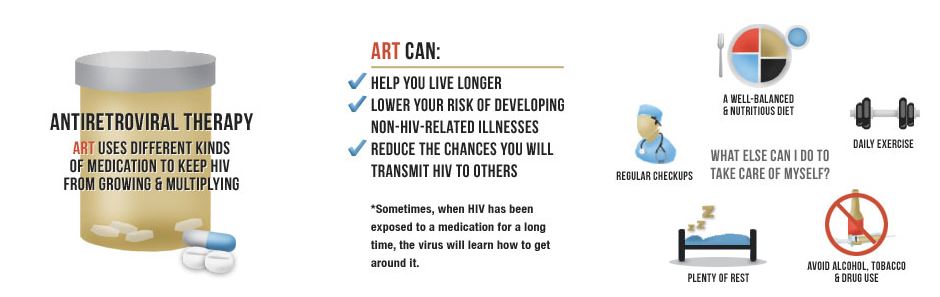
Continue an established antiretroviral regimen during an acute illness unless an HIV specialist identifies a specific reason to change it; stopping or altering drugs without review can leave inadequate levels and select resistance.
ART timing depends on the infection: start it within about two weeks of Pneumocystis pneumonia diagnosis, within two to three weeks for toxoplasma encephalitis, but delay it about four to six weeks after antifungal treatment begins for cryptococcal meningitis because early ART can worsen intracranial inflammation.
One of the inpatient HIV care benefits is supervised medication safety. Ask the team to reconcile every prescription, over-the-counter medicine, supplement, and inpatient drug, especially rifamycins, antiseizure medicines, azole antifungals, corticosteroids, and acid-suppressing drugs. The answer may be substitution, dose adjustment, or monitoring—not automatic ART withdrawal.
- If you cannot swallow, ask whether the regimen can be given through an enteral tube or whether a planned interruption is necessary. Never stop only part of the regimen.
- Confirm who can access your HIV information, obtain consent for treatment and disclosure, and set visitor boundaries. Share details with family only with your permission where law or hospital policy requires it.
- Ask staff to explain any isolation measure. Airborne precautions for suspected tuberculosis protect others; HIV itself does not spread through ordinary contact.
- Request palliative-care support for pain, breathlessness, delirium, nausea, goals-of-care decisions, or family communication. It can accompany infection treatment and ART.
Good hospital care for HIV patients protects confidentiality as carefully as it protects drug levels, while preserving dignity during frightening illness.
What a safe discharge plan should contain
Discharge is safe only when the next dose, test, appointment, and source of help are clear. Improvement in fever or oxygen needs does not remove the risk of relapse, missed treatment, drug interactions, or readmission.
Before leaving, confirm:
- Exact antiretroviral and opportunistic-infection medicines, doses, timing, duration, and stop dates
- A completed review of prescriptions, over-the-counter medicines, supplements, rifamycins, antiseizure medicines, azole antifungals, corticosteroids, and acid-suppressing drugs
- Laboratory dates for kidney function, liver tests, blood counts, CD4 count, viral load, or drug-specific monitoring
- A booked HIV-care appointment and a reliable medication supply
- Instructions to return urgently for breathlessness, confusion, fever, repeated vomiting, inability to keep medicines down, or dehydration
Prevention must be reviewed before discharge. Pneumocystis prophylaxis is indicated with CD4 below 200 cells/mm3 or qualifying clinical findings. Toxoplasma prophylaxis applies to Toxoplasma-IgG-positive patients with CD4 below 100 cells/mm3; immune recovery on ART can change either indication.
| Support | What to confirm | Why it prevents crisis |
|---|---|---|
| Pharmacy | Filling, refills, affordability | Prevents missed doses |
| Social work | Transport, housing, benefits | Removes practical barriers |
| Mental health or substance-use care | Follow-up and crisis contacts | Supports treatment continuity |
| Palliative care | Early review for severe symptoms or uncertain prognosis | Adds symptom relief and goals-of-care planning without stopping disease-directed treatment |
For Hyderabad residents comparing options, ask whether the facility provides infectious-disease assessment, monitored HIV inpatient treatment, medication reconciliation, follow-up, and confidential communication. Hiv @ AIDS CLINIC is one local option to contact and verify against those needs.
Related products
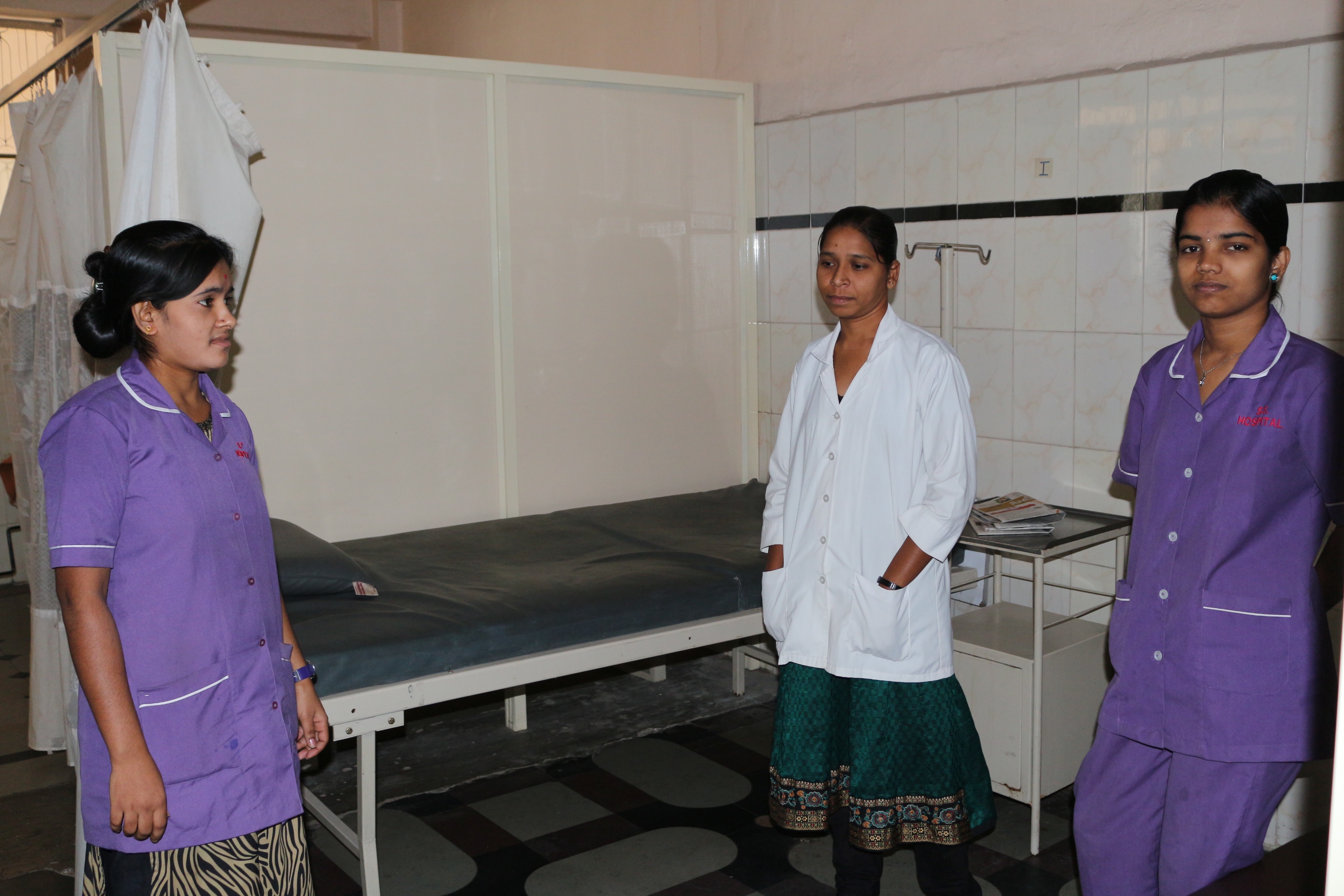 | ADMISSION OF SICK HIV/AIDS PATIENTS The Hospital has separate wards and isolation rooms meant for admitting hiv patients in the second floor with good nursing care. View product → |
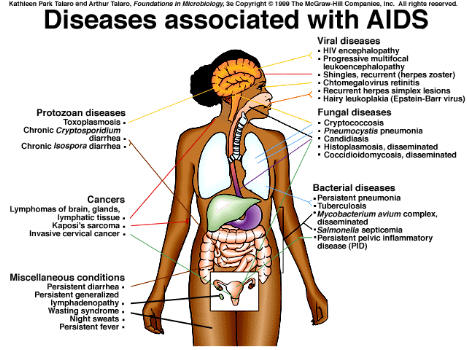 | Treatment Of Common Infections In HIV Tuberculosis treatment Pneumonia treatment fungal infection eg candidiasis treatment gastroenteritis treatment herpes simlex / zoster View product → |
Frequently asked questions
When does an HIV-related illness need hospital care?
Hospital care is appropriate when an illness threatens breathing, circulation, brain function, hydration, nutrition, medicine absorption, or safe monitoring. HIV alone does not require admission.
What do clinicians assess after admission?
The team assesses vital signs, breathing, circulation, mental status, hydration, nutrition, symptoms, laboratory results, medicine use, and possible infections or complications.
How are serious infections and complications managed in hospital?
Clinicians identify the likely cause, collect needed samples, start and adjust treatment, monitor organ function and medicine effects, and provide oxygen, fluids, nutrition, or other supportive care when required.
What should a safe discharge plan contain?
It should list medicines and doses, follow-up appointments, test results requiring review, warning signs that need urgent care, contact instructions, and support for transport, food, or medicine access.
Related items
 | Will counsel patients regarding hiv/aids about how hiv gets transmitted and how it is not transmitted counsel about the stagesof hiv/aids counsel... View product → |
 | There are different medicines for treating hiv patients .we choose regimen depending on the age of the patient , affordability of the patients and... View product → |
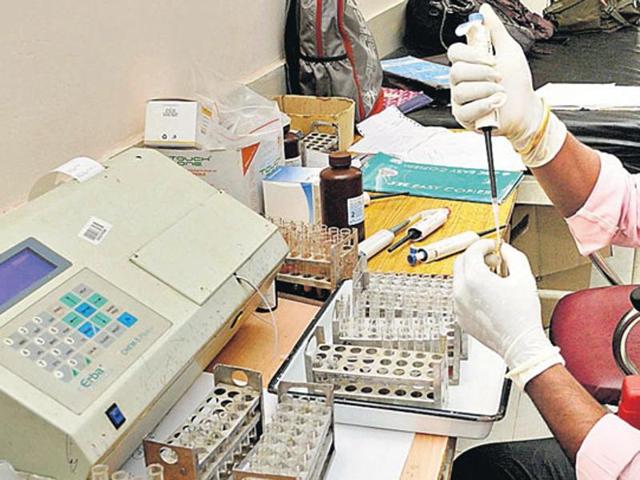 | The different tests available are tridot test :300 elisa test :1000 western blot test :3000 cd4 testing :2000 viral load testing :5000 cd4 and viral... View product → |
General Consultation ₹500 General Consultation |
Keywords