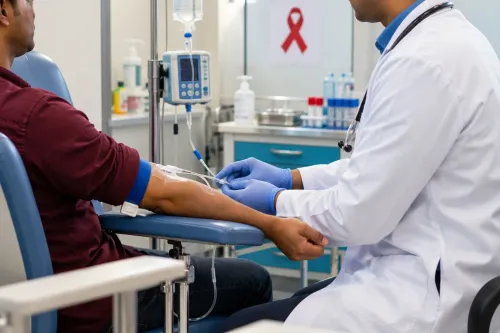
A first HIV specialist visit is easier when your records, medicine history and questions are ready before you arrive. Use a short timeline and checklist to help the clinician make safe decisions without relying on incomplete memories or missing paperwork.
Key takeaways
- Seek urgent care for confusion, breathing trouble, chest pain or rapidly worsening illness.
- Bring prior test results, medication bottles, allergies and a written symptom timeline.
- Ask whether to fast, which medicines to take and which tests need preparation.
- Leave with your treatment plan, test schedule, contact instructions and next appointment date.
Book the appointment and decide whether you need urgent care
Do not wait for a routine visit if you have severe headache or confusion, new weakness, trouble breathing, chest pain, persistent vomiting, severe dehydration, or rapidly worsening illness. Seek urgent medical assessment; tell the emergency team that you have HIV or a recent positive test.
1. Call an HIV specialist clinic and request the earliest suitable appointment. Ask whether you need a referral, identification, insurance details, or a recent test report, and confirm the date, time, location, contact number and cancellation process. Missing paperwork should not stop you from booking.
2. Write a short timeline before confirming the first HIV specialist appointment: when you tested, when symptoms began, and whether you have fever, rash, diarrhea, weight loss, headaches, vision changes, cough, shortness of breath or neurologic symptoms. Mark symptoms that are worsening so you can report them clearly.
3. Gather whatever is available: the HIV test or diagnosis report, recent CD4 and viral-load results, resistance reports, vaccination and hepatitis or tuberculosis records, discharge summaries, medication and allergy details, and previous clinicians’ contact information. Clinics can repeat key tests when records are unavailable.
4. Tell the clinic about pregnancy, possible pregnancy, breastfeeding or plans to conceive. Mention every HIV medicine you have taken, including PEP, PrEP or pills obtained from another person.
This is how to prepare for an HIV specialist consultation without delaying care: book first, then organise the details that will help the specialist establish a safe baseline.
Build your HIV consultation checklist from your records
Bring a phone folder or paper file, not a memory-based summary. Save a note titled “What to bring to HIV consultation” and add the date on every result so your specialist can distinguish old information from your current baseline.
- Add the HIV test or diagnosis report, CD4 counts, viral-load results, resistance or genotype reports, hepatitis A, B and C results, tuberculosis results, vaccination records and hospital discharge summaries.
- List every medicine, dose and start date, including HIV treatment, antibiotics, supplements, PrEP, PEP and pills obtained from another person. Record allergies and the reaction each medicine caused.
- Write the names and contact details of previous clinicians, plus your identification or insurance documents. Ask for missing records before the appointment; if they cannot be obtained, do not postpone care because key tests can be repeated.
- Create a dated timeline of diagnosis, treatment changes and symptoms such as fever, rash, diarrhoea, weight loss, headaches, vision changes, cough or breathlessness. Note when each symptom began, how long it lasted and what helped.
- Add practical concerns to your HIV consultation checklist: missed doses, transport, pharmacy access, cost, food, housing, privacy, mood or substance use. Record pregnancy, possible pregnancy, breastfeeding, conception plans and contraception goals.
Bring recent laboratory reports even if you expect testing at the visit. Seek urgent assessment for confusion, severe headache, new weakness, chest pain, breathing trouble or rapidly worsening illness instead of waiting for a routine consultation.
Clarify fasting, medicines and tests before you arrive
Unless the clinic specifically asks for a fasting blood test, eat and drink normally before your appointment. Fasting is not routinely needed for an HIV consultation, and arriving dehydrated can make blood collection harder.
1. Do not stop prescribed medicines before the visit. Take antiretroviral therapy, antibiotics, blood-pressure tablets and other regular treatment at the usual time unless the clinic gives different instructions. Do not pause HIV treatment while waiting for a resistance result.
Tell the specialist about every HIV medicine you have taken, including PrEP, PEP or tablets obtained from someone else.
2. Do not arrange a separate HIV test unless the clinic requests it. The specialist commonly orders HIV-1 RNA viral load, CD4 count, complete blood count, kidney and liver tests, hepatitis A, B and C tests, and an HIV drug-resistance genotype. The exact panel depends on your symptoms, pregnancy status and treatment history.
3. During your preparing for hiv doctor visit, ask whether the clinic wants blood drawn before the appointment and whether any test requires fasting. Bring recent laboratory reports instead of assuming they will be accepted or repeated, including viral-load, CD4, resistance, hepatitis and tuberculosis results.
Knowing what to bring to an HIV consultation prevents delays: pack every prescription, supplement, antacid and over-the-counter product, or write each name, dose and timing. Include medicines for seizures, tuberculosis, reflux or inflammation because interactions can affect HIV treatment.
Know what happens during the first specialist visit
The specialist will review your HIV test or diagnosis, previous viral-load and CD4 results, resistance reports, medicines, allergies, vaccinations, hepatitis or tuberculosis results, and recent symptoms.
They will ask when and how you acquired HIV, whether you have taken HIV medicines, PEP or PrEP, and whether pregnancy, contraception, mental health, housing, food, cost, transport or disclosure affects treatment. A physical examination may include your weight, blood pressure, skin, mouth, lymph nodes, lungs and abdomen, guided by your symptoms.
| Visit area | What the specialist may do | Question to ask |
|---|---|---|
| Baseline tests | Order HIV-1 RNA, CD4 count, complete blood count, kidney and liver tests, hepatitis A, B and C tests, and an HIV drug-resistance genotype | Which tests do I need, and when will results be ready? |
| Prevention | Review tuberculosis and sexually transmitted infection screening, hepatitis immunity, and pneumococcal, influenza, COVID-19 and HPV vaccines | Which vaccines or prevention tests do I need now? |
| Treatment choice | Compare regimens with your other medicines, prior PEP or PrEP use, resistance results and daily routine | What are the benefits, side effects and dosing rules? |
| Symptoms | Check fever, rash, diarrhoea, weight loss, cough, headaches, vision changes or breathing problems | Which symptoms require urgent help? |
Use your HIV consultation checklist to ask who will contact you with results, where to obtain medicines, what support exists for adherence or cost, and when follow-up occurs. Do not stop prescribed medicines unless the specialist instructs you.
Leave with a practical treatment and follow-up plan
Before leaving, write down a plan with dates, named contacts and what to do if a problem arises. Do not accept “take your medicines regularly” as the whole adherence plan.
- Adherence: agree on the dose time, a reminder method, refill arrangements and what to do after a missed dose. Tell the specialist about transport, pharmacy access, cost, food insecurity, unstable housing, depression, substance use or fear of disclosure.
- Prevention: ask about viral-load monitoring, condoms, partner testing, PrEP for an HIV-negative partner and screening for sexually transmitted infections.
- Vaccinations and screening: ask which records or tests are missing, including hepatitis A and B immunity, pneumococcal, influenza, COVID-19 and HPV vaccination, plus tuberculosis screening. Ask whether your CD4 count changes vaccine timing.
- Pregnancy and contraception: state whether you are pregnant, might be pregnant, breastfeeding, trying to conceive or avoiding pregnancy. Ask how treatment, contraception and infant-protection steps fit together.
- Follow-up support: confirm the next appointment, repeat viral-load and CD4 testing, refill process and a number for side effects or urgent concerns. Request case management, mental-health, substance-use or benefits support when needed.
These questions are a practical way of preparing for an HIV doctor visit and show how to prepare for an HIV specialist consultation. If you attend Hiv @ AIDS CLINIC, ask which clinician handles follow-up and who coordinates care when an infection, admission or social barrier interrupts treatment.
Related products
 | Will counsel patients regarding hiv/aids about how hiv gets transmitted and how it is not transmitted counsel about the stagesof hiv/aids counsel... View product → |
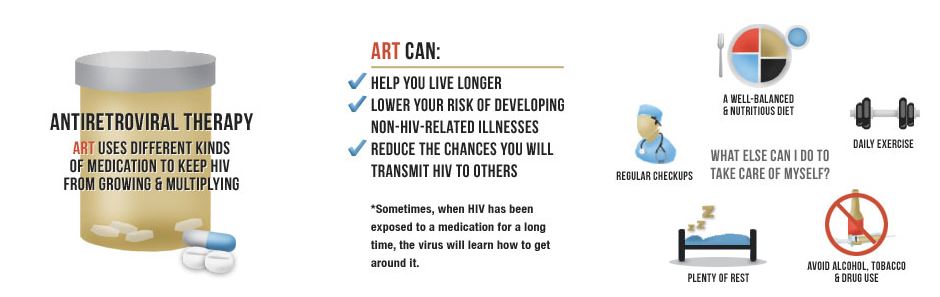 | There are different medicines for treating hiv patients .we choose regimen depending on the age of the patient , affordability of the patients and... View product → |
Frequently asked questions
When should I seek urgent care instead of booking a routine HIV consultation?
Seek urgent medical assessment for severe headache or confusion, new weakness, trouble breathing, chest pain, persistent vomiting, severe dehydration or rapidly worsening illness. Tell the emergency team about HIV or a recent positive test.
What should I bring to my first HIV specialist appointment?
Bring HIV test results, other medical records, a complete medication and supplement list, medicine bottles if possible, allergy information, vaccination records and a written list of symptoms and questions.
Do I need to fast or stop medicines before HIV consultation tests?
Ask the clinic before arriving. Fasting depends on the tests ordered, and you should not stop antiretroviral or other prescribed medicines unless the clinician specifically instructs you to do so.
What happens during the first HIV specialist visit?
The specialist reviews your diagnosis and health history, asks about symptoms and medicines, performs an examination, orders needed tests and discusses treatment, prevention, follow-up and support.
Keywords