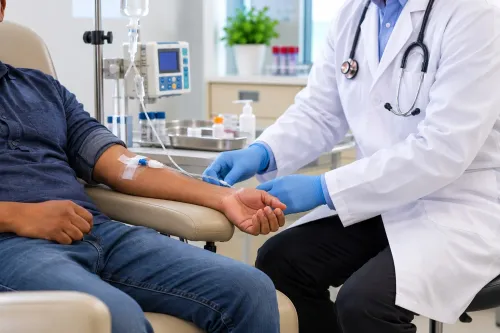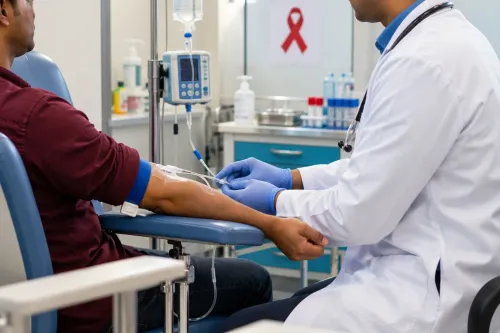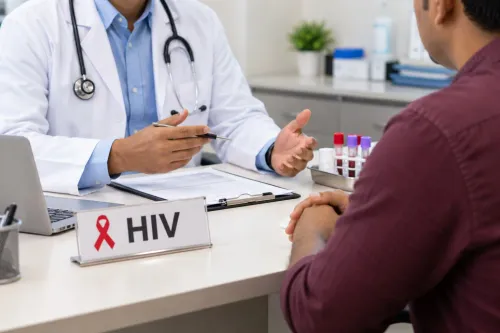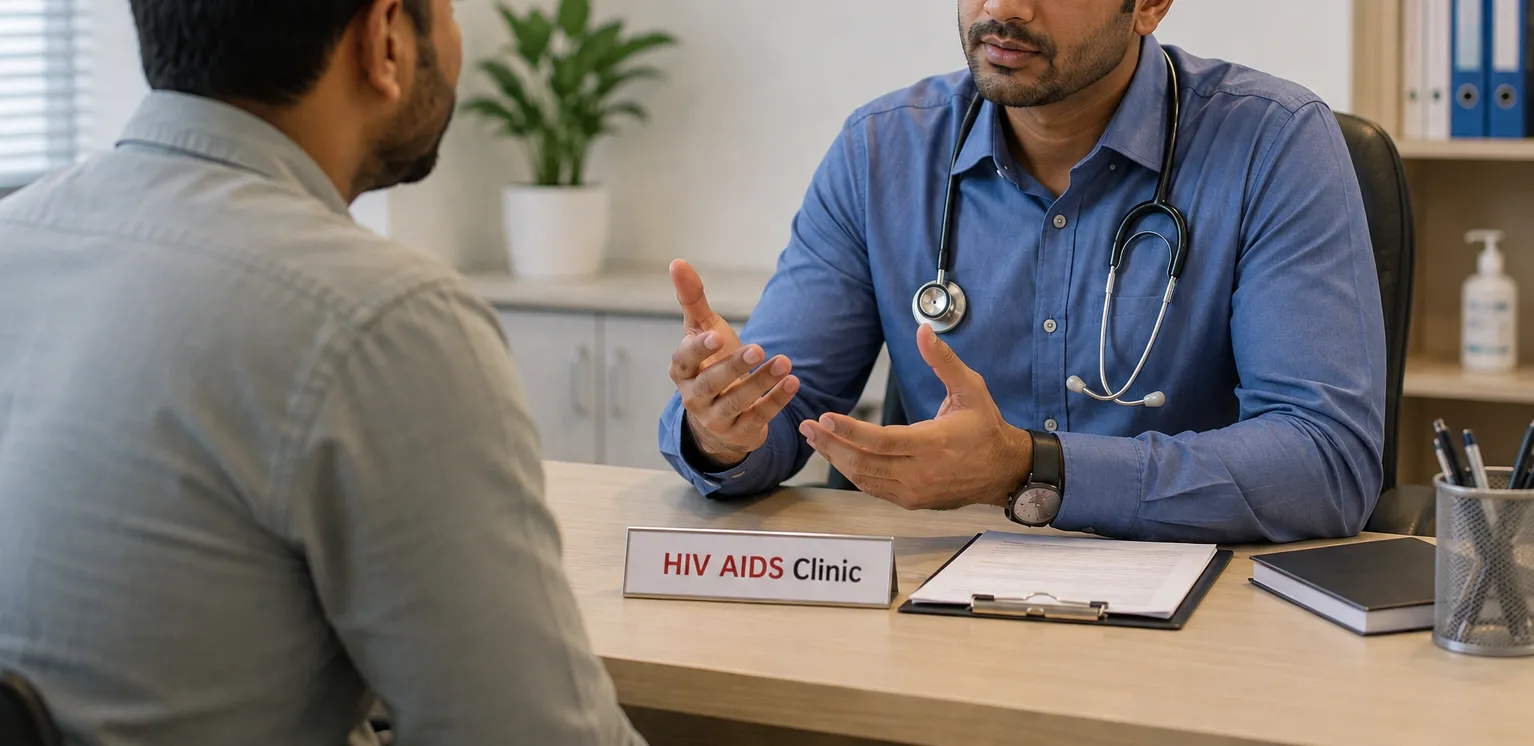
Learning that HIV may be a health concern can bring questions about testing, treatment, privacy, relationships and what happens next. An HIV AIDS Clinic provides structured medical support for people who need screening, have recently received a positive result, are already receiving treatment, or need continued HIV-related care.
For people in Hyderabad and other parts of Telangana, understanding what HIV care involves can make it easier to seek appropriate medical attention without unnecessary fear or delay. At HIV/AIDS Clinic, Dr. P. Ajay Kumar provides evaluation and ongoing guidance based on each patient's individual medical situation.
HIV care begins with knowing your status
HIV, or human immunodeficiency virus, affects important cells involved in the body's immune response. A person can have HIV without experiencing obvious symptoms, particularly during certain stages of infection.
This means symptoms alone cannot confirm whether someone has HIV.
Testing may be considered after a possible exposure, as part of routine healthcare, during pregnancy, following diagnosis of another sexually transmitted infection, or whenever a person wants clarity about their HIV status.
The appropriate type and timing of testing depend on the circumstances. A healthcare professional can explain whether repeat testing is required because of the window period.
What happens after an HIV diagnosis
A confirmed diagnosis is the beginning of ongoing medical management rather than the end of the healthcare process.
Clinical assessment may include:
- Review of medical and treatment history
- Evaluation of current symptoms
- Relevant laboratory investigations
- Assessment for associated infections
- Review of other medicines
- Treatment adherence guidance
- Preventive healthcare counselling
Modern HIV management commonly includes antiretroviral therapy / ART. These medicines reduce HIV replication and help preserve immune function when taken as prescribed.
Treatment should always be selected and monitored by a qualified medical professional.
Regular follow-up remains important
HIV treatment is generally ongoing. Follow-up appointments help assess whether treatment is working as expected and allow patients to discuss side effects, missed doses or other medical concerns.
Depending on the patient's condition, monitoring may include viral load testing and other investigations considered clinically appropriate.
Sustained viral suppression is an important treatment goal. When a person living with HIV achieves and maintains an undetectable viral load, HIV is not sexually transmitted. This principle is commonly known as U=U / Undetectable = Untransmittable.
Patients should discuss their own viral load results with their treating doctor rather than making assumptions based on general information.
Counselling is also part of HIV care
Living with HIV can involve emotional as well as medical concerns. Some people worry about stigma, relationships, disclosure, marriage, pregnancy or transmission to a partner.
Counselling may provide guidance about:
- Treatment adherence
- Partner testing
- Safer sexual practices
- U=U
- Pregnancy planning
- Disclosure-related concerns
- Emotional wellbeing
- HIV prevention
At an HIV AIDS Clinic in Hyderabad, consultation with Dr. P. Ajay Kumar can help patients understand their diagnosis, available treatment and the importance of continued monitoring.
Modern HIV care has changed considerably. Accurate medical guidance, timely treatment and consistent follow-up can help people manage HIV as a long-term health condition while making informed decisions about their health and relationships.
Keywords