
Long-term HIV care depends on more than obtaining tablets: you need a qualified team, reliable testing, rapid help during illness, and a plan that adapts when your health or circumstances change. By comparing clinics against specific questions about access, treatment decisions, monitoring, confidentiality, and continuity, you can choose care that remains dependable over time.
Key takeaways
- Ask who covers your care during staff absences and urgent problems.
- Confirm infectious-disease expertise for treatment failure, hepatitis B, pregnancy, and opportunistic infections.
- Check how the clinic monitors viral load, CD4 count, side effects, and wider health.
- Ask about ART preparation, follow-up timing, referrals, and after-hours contact.
Does the clinic have the right HIV care team and continuity plan?
Ask who will manage your care when treatment becomes complicated, not only who can issue refills. Check HIV physician qualifications and ask whether an infectious-disease specialist reviews difficult cases, including hepatitis B, opportunistic infections, pregnancy, and treatment failure.
A capable team should include:
- HIV nurses who can explain medicines, side effects, adherence, and warning signs.
- HIV pharmacist expertise and drug interactions assistance for rifampin, anticonvulsants, antacids, supplements, and every medicine you take.
- Counsellors, councilors, and laboratory staff who protect confidentiality, explain results, and report delays quickly.
Ask whether the clinic routinely checks hepatitis B and coordinates liver care. People with HIV and hepatitis B need treatment active against both viruses, usually tenofovir with emtricitabine or lamivudine; stopping these drugs without a replacement plan can trigger a hepatitis B flare.
Continuity matters as much as credentials. Request a named primary clinician, a consistent care team, and a documented handover when staff leave, change shifts, or refer you to hospital. Without that record, your previous ART history, resistance results, allergies, and drug interactions can disappear between appointments.
Before enrolling, ask who reviews your viral load, CD4 count, kidney and liver tests, and pregnancy-related needs. Ask who answers urgent questions after hours and where you go for breathing difficulty, confusion, severe diarrhoea, dehydration, or suspected tuberculosis or cryptococcal meningitis. A clinic that cannot name the responder or hospital pathway has a continuity gap.
How quickly can you get routine and urgent HIV care?
A responsive clinic gives you a specific new-patient appointment time, states its HIV testing and confirmatory testing turnaround, and offers prompt ART initiation after diagnosis.
Ask whether a clinician explains the results and starts treatment without waiting for symptoms or a low CD4 count; suspected cryptococcal or tuberculosis meningitis requires specialist timing because early ART can worsen inflammation.
Ask these questions before enrolling:
- Is same-day HIV care available for fever, breathing difficulty, severe diarrhoea, confusion, dehydration, or a suspected opportunistic infection?
- What after-hours care operates at night, on weekends, and on public holidays?
- Who reviews an urgent call, and how quickly will you be assessed?
- Can the clinic arrange hospital admission for suspected Pneumocystis pneumonia, cryptococcal meningitis, tuberculosis, severe bacterial infection, or disseminated fungal disease?
- If you are admitted elsewhere, who reconciles your ART and arranges follow-up at discharge?
A clinic that only offers a routine booking and directs emergencies to an unknown facility leaves a dangerous gap. Confirm whether it can assess urgent symptoms, contact an infectious-disease or hospital team, and maintain ART during transfer or admission.
Ask what happens if medication runs out or side effects appear, because an interruption can cause viral rebound and resistance.
What should the clinic do before and during ART?
A safe clinic starts ART from an individual assessment, not a standard prescription. Ask whether it follows current national HIV treatment guidance and completes an antiretroviral therapy baseline assessment before or soon after treatment begins.
1. Confirm that the clinician reviews your prior ART exposure, medicines, supplements, recreational drugs, allergies, pregnancy status, kidney and liver tests, hepatitis B, hepatitis C, and tuberculosis screening. The drug-interaction review should include rifampin, anticonvulsants, antacids, and supplements, which can change antiretroviral concentrations.
2. Ask whether the clinic arranges resistance testing, usually an HIV genotype, at baseline. Treatment should not normally wait for the result, but integrase resistance testing matters after integrase-inhibitor exposure or when treatment failure is suspected.
3. Ask how the clinic measures response. Viral load is the main effectiveness test; it is usually checked 4 to 8 weeks after starting or changing ART, then every 3 to 4 months until stable and often every 6 months thereafter. CD4 count guides opportunistic-infection prevention and follow-up.
4. Check what happens after the prescription. A proper service provides adherence support, refill management, side-effect monitoring, and prompt regimen changes when results, interactions, intolerance, or resistance require them. A persistent viral load of at least 200 copies/mL should trigger investigation, not an automatic refill.
5. Ask who reviews missed doses, abnormal results, and suspected treatment failure. A clinic that only renews the same tablets without reassessment is not providing long-term ART care.
How will the clinic monitor your results, testing, and wider health?
1. Ask for a written viral load monitoring schedule. After ART starts or changes, the clinic should check viral load in 4-8 weeks, then every 3-4 months until stable, and every 6 months once stable.
A persistent result of at least 200 copies/mL should trigger review of adherence, drug interactions, absorption, and resistance—not an automatic prescription change.
2. Confirm that monitoring includes a CD4 count, blood chemistry, and complete blood count, with testing adjusted to your medicines and health risks. The clinic should explain what each result means, what happens next, and the test turnaround time.
If an HIV screening result is reactive, ask how the confirmatory test works, which specimen type is used, how the window period affects accuracy, and when repeat testing is needed.
3. Check confidentiality before enrolment. Ask who can see your records, how results are released, whether messages and phone calls reveal HIV information, and how specimens are labelled. Staff should obtain your permission before sharing information, except where a specific legal duty applies.
4. Expect care beyond ART refills: vaccination, tuberculosis assessment, hepatitis and sexually transmitted infection screening, cervical and anal cancer risk assessment, cardiovascular and kidney health checks, and mental health and substance use support. Ask for pregnancy counselling and condoms or other prevention options.
The clinic should explain U=U: a maintained viral load below 200 copies/mL prevents sexual transmission, but it does not prevent other infections or pregnancy.
What should you ask before choosing a clinic?
Ask for written answers before you enrol, then compare them clinic by clinic using an HIV clinic comparison checklist. For test prices verify current inclusive billing: ask whether consultation, sample collection, confirmatory testing, medicines, and follow-up review are charged separately.
- Which tests are available onsite or through a named laboratory? Ask how the clinic uses Tridot, ELISA, Western blot, CD4, viral load, combined CD4 and viral load, and resistance testing, and when each result is explained.
- Who answers urgent questions about side effects, a missed dose, medication access, or an unavailable medicine? Ask for an after-hours number and the refill process during travel.
- What happens if you are hospitalized elsewhere? Confirm medication reconciliation at admission and discharge, communication with the outside hospital, and who restarts or adjusts treatment.
- How will the team investigate adherence barriers such as cost, transport, food, housing, depression, stigma, substance use, or difficult dosing without blaming you?
| Clinic | Compare | Warning sign |
|---|---|---|
| Public or low-cost service | Eligibility, waiting time, medicine supply, and referral rules | You cannot confirm stock or refill arrangements |
| Private clinic | Consultation, test, admission, and medicine charges in writing | “Package” pricing excludes key tests |
| Hiv @ AIDS CLINIC | Ask directly about continuity, inpatient coordination, and medication reconciliation | No named contact for discharge follow-up |
Related products
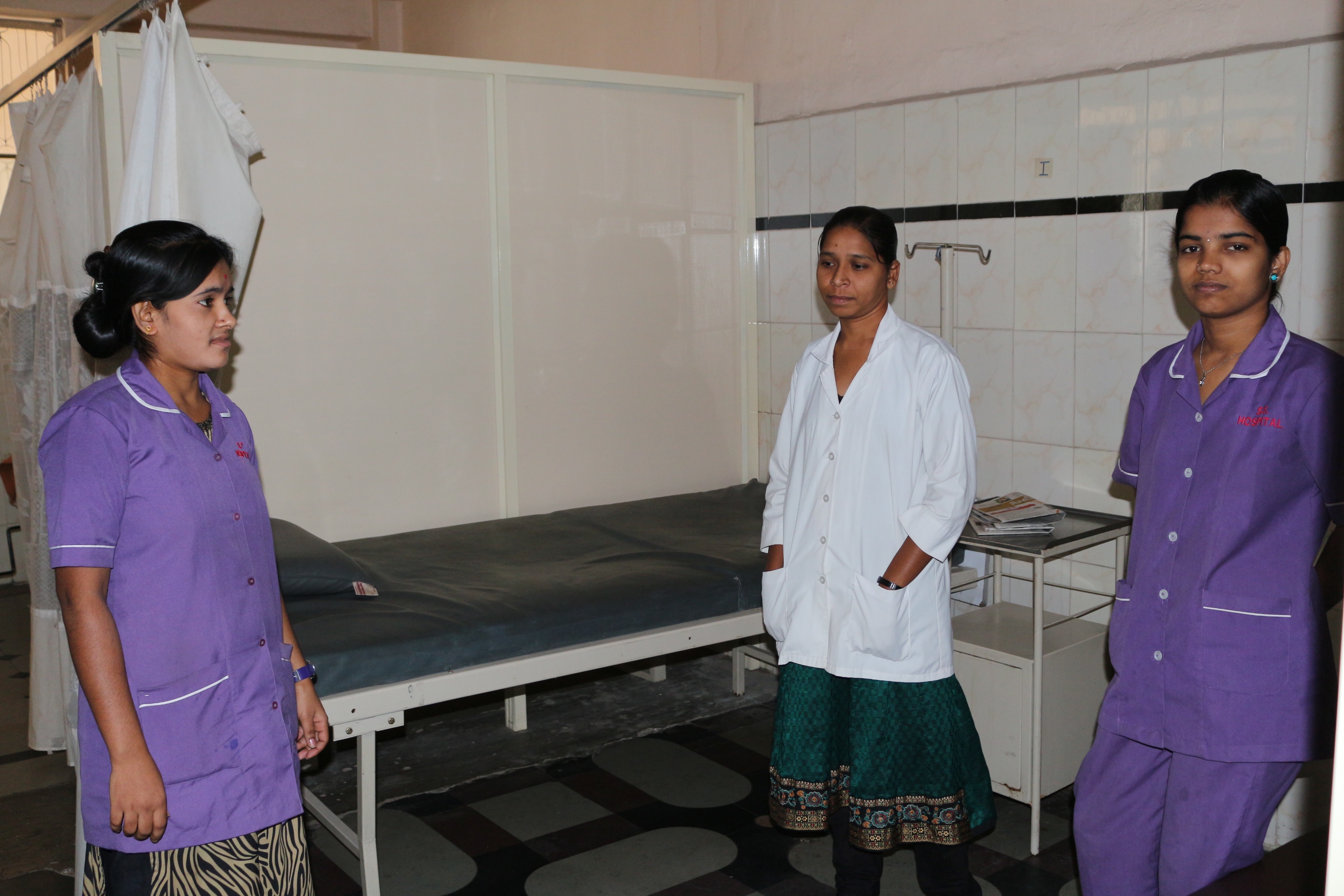 | ADMISSION OF SICK HIV/AIDS PATIENTS The Hospital has separate wards and isolation rooms meant for admitting hiv patients in the second floor with good nursing care. View product → |
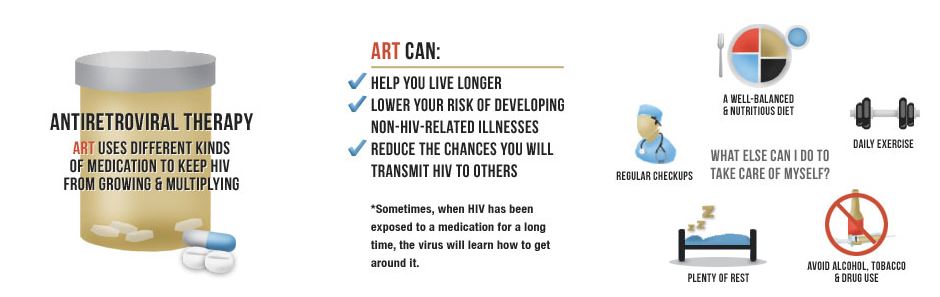 | There are different medicines for treating hiv patients .we choose regimen depending on the age of the patient , affordability of the patients and... View product → |
Frequently asked questions
What HIV care team should a long-term clinic provide?
Look for qualified HIV clinicians, access to infectious-disease expertise, and a continuity plan covering absences, referrals, and complicated cases such as hepatitis B, pregnancy, opportunistic infections, and treatment failure.
How quickly should an HIV clinic provide routine and urgent care?
Ask how soon you can obtain routine appointments, who handles urgent symptoms, whether after-hours advice is available, and where you should go for emergencies.
What should happen before and during antiretroviral therapy?
The clinic should review your medical history, medicines, allergies, HIV tests, hepatitis status, pregnancy plans when relevant, and adherence barriers before starting ART, then explain dosing, side effects, interactions, and follow-up.
How should an HIV clinic monitor long-term treatment?
Ask how it tracks viral load, CD4 count when indicated, kidney and liver results, medication side effects, drug interactions, vaccinations, mental health, sexual health, and HIV-related conditions.
What questions should you ask before choosing an HIV clinic?
Ask who manages your care, how quickly appointments are available, which tests are performed, how results are communicated, what happens if ART fails, and how urgent care and referrals work.
Related items
 | Will counsel patients regarding hiv/aids about how hiv gets transmitted and how it is not transmitted counsel about the stagesof hiv/aids counsel... View product → |
 | Treatment Of Common Infections In HIV Tuberculosis treatment Pneumonia treatment fungal infection eg candidiasis treatment gastroenteritis treatment herpes simlex / zoster View product → |
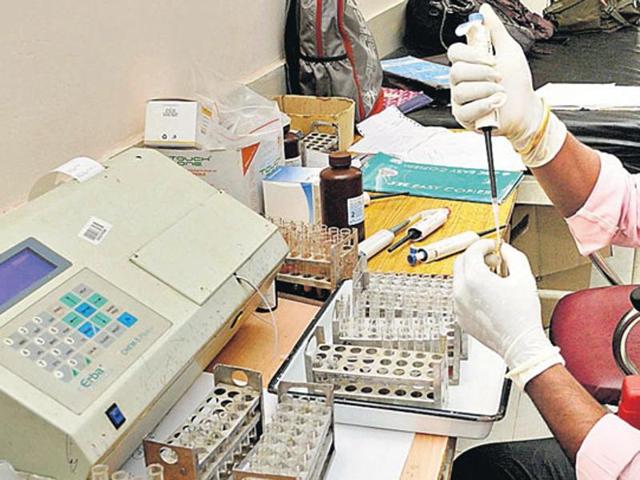 | The different tests available are tridot test :300 elisa test :1000 western blot test :3000 cd4 testing :2000 viral load testing :5000 cd4 and viral... View product → |
General Consultation ₹500 General Consultation |