A routine testing-centre visit is not enough after every possible HIV exposure, a reactive screening result, or a change in symptoms while taking treatment. By the end, you will know when to seek urgent care, which results need specialist interpretation, how soon follow-up is due, and what to bring to the appointment.
Key takeaways
- Seek PEP urgently within 72 hours of a possible HIV exposure.
- Test at the right time and confirm unexpected or concerning results.
- See an HIV clinician promptly after a positive diagnosis.
- Bring medicines, laboratory reports, symptoms, and questions to follow-up visits.
Seek urgent HIV care after a high-risk exposure or serious symptoms
Contact an HIV doctor after exposure if a condom broke, you shared injection equipment, or you experienced sexual assault within the past 72 hours. Ask urgently about post-exposure prophylaxis (PEP) rather than waiting for symptoms or a routine test.
PEP works best when started immediately, is taken for 28 days, and is not recommended when the exposure occurred more than 72 hours earlier.
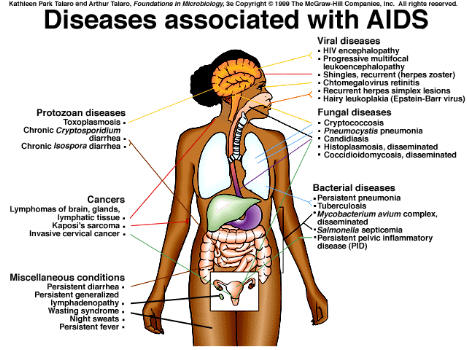
Seek same-day medical assessment for these symptoms, especially if you have HIV, a low CD4 count, or recently stopped antiretroviral treatment:
- Fever with rapid worsening or breathing difficulty
- Confusion, a severe headache, or a stiff neck
- New weakness, numbness, seizures, or other neurological changes
- Vision changes
- Persistent vomiting or severe diarrhoea
- Painful swallowing or inability to keep fluids down
These symptoms can signal an opportunistic infection or another serious illness. Do not wait for a routine HIV test or assume that the illness will settle without treatment.
Contact an HIV clinician promptly if you are pregnant or planning pregnancy, whether or not you take treatment. If more than 72 hours have passed since an HIV exposure, urgent PEP is no longer recommended, but arrange testing and prevention advice; ongoing risk may make PrEP appropriate after clinical assessment.
Time the test around the exposure and understand what a result means
A test taken too soon can miss a new infection. The HIV window period is the time between exposure and when a specific test can reliably detect HIV, so when to test for HIV depends on the test used and the exposure date.
- A nucleic acid test (NAT) usually detects HIV 10–33 days after exposure.
- A laboratory antigen/antibody test usually detects it after 18–45 days.
- A rapid finger-stick antigen/antibody test can take 18–90 days.
- An antibody-only test can take 23–90 days.
A negative result before the relevant window closes does not rule out infection. Give the clinician the exposure date, test type and result so they can set a repeat-testing date.
Seek urgent care rather than waiting for testing if the exposure happened within 72 hours; post-exposure prophylaxis (PEP) works best when started immediately and is taken for 28 days.
A reactive HIV screening test is not automatically a diagnosis. The laboratory usually performs a confirmatory HIV test, such as an HIV-1/HIV-2 antibody differentiation assay; an HIV-1 RNA test can resolve a discordant or indeterminate result and detect acute infection. Do not interpret a reactive screen alone as proof of HIV.
If ongoing exposure risk continues, ask an HIV clinician about PrEP. Starting PrEP requires HIV testing, follow-up testing, and appropriate kidney-function and hepatitis B assessment. A recent negative result does not replace urgent PEP evaluation.
See an HIV clinician promptly after diagnosis or concerning laboratory results
A confirmed HIV diagnosis warrants prompt linkage to an HIV clinician, even if you feel well. Start antiretroviral therapy (ART) regardless of CD4 count; rapid-start treatment need not wait for every baseline result. The clinician will assess whether conditions such as suspected cryptococcal or tuberculosis meningitis require different timing.
- Ask for baseline HIV viral load, CD4 count, kidney and liver tests, hepatitis A, B and C screening, tuberculosis and sexually transmitted infection screening, and pregnancy testing when relevant.
- Request an HIV drug resistance test at entry into care. Do not delay ART while awaiting the result unless your clinician identifies a specific reason.
- If the CD4 count is below 200 cells/mm³, arrange prompt CD4 count interpretation and discuss prevention for Pneumocystis jirovecii pneumonia. The decision also depends on viral load and your clinical condition.
- If HIV RNA is detectable after suppression, do not stop ART yourself. A single result below 200 copies/mL can be a temporary blip; persistent results at or above 200 copies/mL require review.
At that review, the clinician checks missed doses, medicine interactions, absorption problems, side effects, cost or access barriers, and resistance before changing treatment. Bring every prescription, over-the-counter medicine, supplement and recreational drug you use. A resistance result can require a different regimen, but only a clinician should make that change.
Know when treatment monitoring or a regimen review is due
Viral load monitoring is due at ART initiation, 2–4 weeks after starting or changing treatment, every 4–8 weeks until suppression, and about every 3–4 months afterward. After more than a year of stable treatment with sustained suppression, six-month testing can be reasonable.
Antiretroviral therapy follow-up also includes kidney and liver checks, blood counts, and glucose or lipid testing when the regimen requires them.
Contact an HIV clinician promptly if you:
- Miss doses repeatedly, cannot obtain your medicines, or are considering stopping ART.
- Develop ART side effects, start another medicine, or use supplements or recreational drugs that could interact with treatment.
- Become pregnant or plan pregnancy; treatment selection, viral-load timing, delivery planning, and infant prophylaxis need review.
- Have a CD4 count below 200 cells/mm³, new infection symptoms, or another result suggesting immune suppression.
- Receive a detectable viral load after previous suppression.
A single low result below 200 copies/mL can be a temporary blip. Persistent HIV RNA at or above 200 copies/mL needs prompt review of adherence, interactions, absorption, and resistance—not self-discontinuation.
An undetectable viral load U=U means sustained HIV RNA below 200 copies/mL prevents sexual transmission, but it does not prevent other sexually transmitted infections or replace regular monitoring.
Prepare for a productive regular HIV follow-up appointment
A productive HIV follow-up appointment checks more than viral load. The clinician reviews treatment response, side effects, adherence, kidney and liver results, cardiovascular and metabolic health, vaccinations, hepatitis, sexually transmitted infections, mental health, reproductive goals, and possible drug interactions.
1. Bring your current medicine list, including antiretroviral names and doses, over-the-counter products, vitamins, supplements, and medicines from other doctors. Also bring your latest viral-load and CD4 results, resistance report, vaccination record, discharge papers, and records of allergies or previous treatment changes.
2. Tell the clinician what you actually experienced since the last visit: missed doses, vomiting, difficulty swallowing, new symptoms, cost or supply problems, mood changes, substance use, and changes in pregnancy plans or sexual health. Accurate details help the clinician choose between adherence support, additional tests, a referral, or a regimen change.
3. Ask which tests are due and when results will be reviewed. CD4 testing becomes especially important when entering care, after treatment begins, or when treatment failure or immune suppression is suspected; a CD4 count below 200 cells/mm³ requires prompt discussion about Pneumocystis jirovecii pneumonia prevention.
For anyone searching for HIV care in Hyderabad, a specialist clinic such as Hiv @ AIDS CLINIC can help coordinate ongoing HIV care, laboratory monitoring, medication reviews, counselling, and referrals to primary care or other specialists. Keep a written follow-up date and know whom to contact if symptoms worsen before it.
Related products
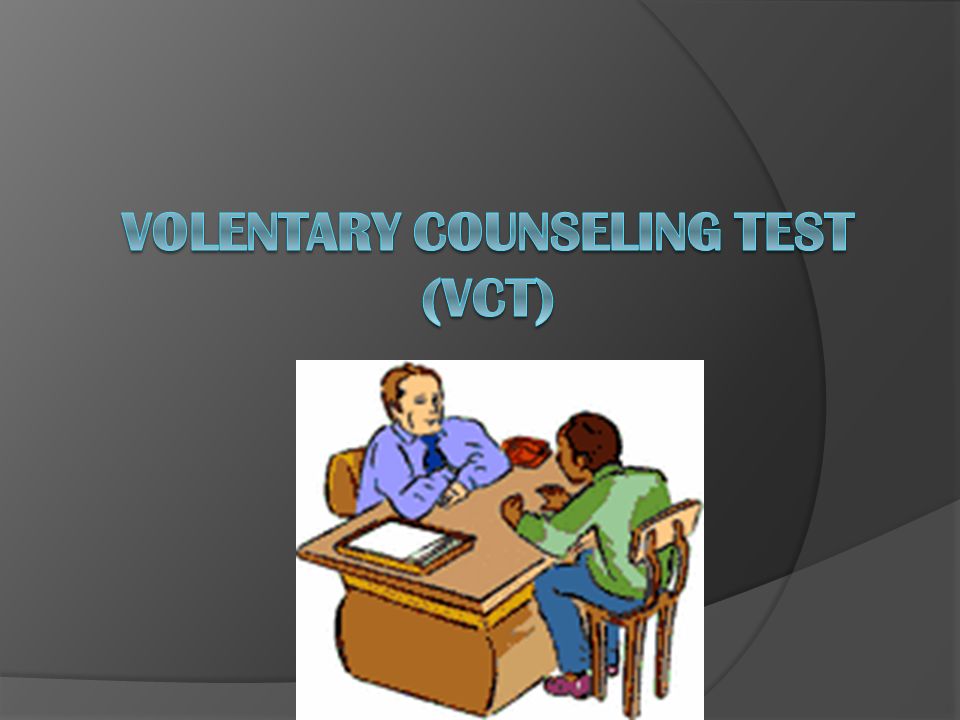 | Will counsel patients regarding hiv/aids about how hiv gets transmitted and how it is not transmitted counsel about the stagesof hiv/aids counsel... View product → |
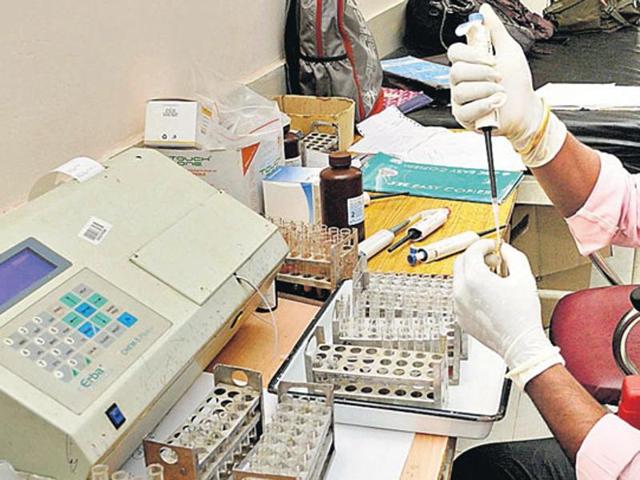 | The different tests available are tridot test :300 elisa test :1000 western blot test :3000 cd4 testing :2000 viral load testing :5000 cd4 and viral... View product → |
Frequently asked questions
When should I seek urgent HIV care after exposure?
Seek urgent care after a broken condom, shared injection equipment, or sexual assault within the past 72 hours. Ask about post-exposure prophylaxis, or PEP, immediately.
When should I take an HIV test after exposure?
Test timing depends on the test used and the time since exposure. A clinician can recommend the right test and explain whether a negative result needs repeat testing.
When should I see an HIV doctor after a positive result?
Arrange an appointment promptly after a positive HIV test or concerning laboratory result so a clinician can confirm the result, assess your health, and discuss treatment.
What should I bring to a regular HIV follow-up appointment?
Bring your current medicines, recent laboratory reports, a list of symptoms or side effects, and questions about adherence, treatment monitoring, or a regimen review.
Related items
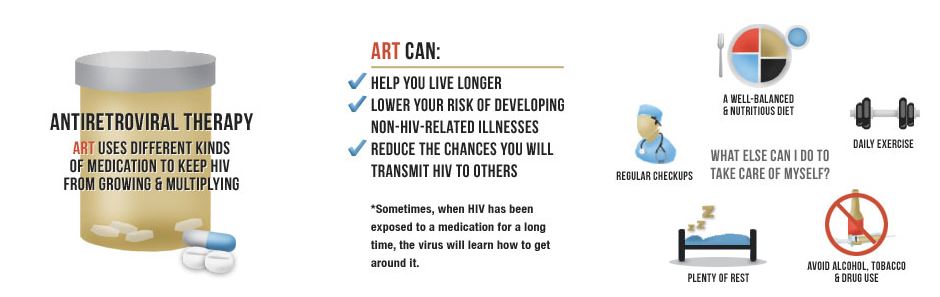 | There are different medicines for treating hiv patients .we choose regimen depending on the age of the patient , affordability of the patients and... View product → |
 | Treatment Of Common Infections In HIV Tuberculosis treatment Pneumonia treatment fungal infection eg candidiasis treatment gastroenteritis treatment herpes simlex / zoster View product → |
General Consultation ₹500 General Consultation |