You do not need to wait for symptoms to visit an HIV Test Centre: routine screening, a possible exposure, pregnancy, a partner’s status or another infection can all justify testing. By the end, you will know when to test, which test timing matters, what to expect at the visit and how to interpret the result without confusing a preliminary screen with a diagnosis.
Key takeaways
- Test after a possible exposure, then repeat testing at the recommended window period.
- Routine HIV screening is advised for adults and adolescents aged 15–65.
- Ask which HIV test and testing algorithm the centre uses.
- A reactive result needs follow-up testing; an invalid result needs a new sample.
Visit for routine screening, a possible exposure or a change in your health
Feeling well does not rule out HIV. Preventive guidance recommends routine screening for adults and adolescents aged 15–65, with testing outside that range when risk is increased. Visit an HIV Test Centre or HIV Screening Centre before symptoms appear.
| Situation | Why screening is sensible | What to do |
|---|---|---|
| Routine screening | HIV can cause no symptoms for years | Test on a regular schedule based on your age and exposure risks |
| Possible exposure | A recent high-risk exposure requires testing even if you feel well | Test now; seek post-exposure prophylaxis urgently if exposure occurred within 72 hours |
| Pregnancy or preconception | Testing protects your health and helps prevent transmission to a baby | Test early in pregnancy or before conception; ask whether repeat testing is needed |
| Partner, STI, tuberculosis or hepatitis concern | A partner’s status or another infection can signal exposure risk | Arrange HIV screening with appropriate tests |
| Required procedure or blood donation | Some services require documented HIV testing | Confirm which test and result document the service accepts |
Do not wait for fever, rash, sore throat, swollen glands or fatigue; acute HIV can also cause no symptoms, and these signs cannot diagnose it. A negative result immediately after exposure cannot exclude infection because of the window period. Ask when to repeat the test used, especially after a rapid test.
A reactive screening result is preliminary and requires laboratory follow-up, not a diagnosis.
After exposure, test now and plan the right repeat test
Test immediately after a possible HIV exposure, but do not treat an early negative result as conclusive. A screening centre can establish a baseline and advise the correct repeat date for the test used.
- Within 72 hours: seek urgent medical care for post-exposure prophylaxis (PEP), especially after sexual assault, condom failure, shared injection equipment or another high-risk event. Start PEP as soon as possible; it is not recommended after 72 hours. Care can also address injuries, pregnancy prevention and other sexually transmitted infections.
- At 10–33 days: a nucleic-acid test (NAT) can detect infection earliest and may support Early HIV Detection when acute HIV is suspected. A clinician decides whether you need NAT.
- At 18–45 days: a laboratory antigen/antibody test using blood from a vein can detect most infections.
- At 18–90 days: a rapid antigen/antibody test remains within its window period.
- At 23–90 days: an antibody-only test, including many rapid tests, may require testing at the later end of the range.
Ask the centre when to repeat testing for the specific assay and exposure date. A negative rapid test taken immediately after exposure cannot rule out HIV. If the screen is reactive, do not assume you have a diagnosis: laboratory confirmation is required.
Once HIV is confirmed, begin antiretroviral treatment promptly; sustained undetectable viral load prevents sexual transmission, known as U=U.
Choose testing by the window period and the testing algorithm
A negative result immediately after exposure cannot rule out HIV because the virus or antibodies may still be below the test’s detection threshold. Ask the HIV Screening Centre which test was used and when to repeat it. For Early HIV Detection after a very recent exposure or suspected acute infection, a clinician may order NAT.
| Test | What it detects or does | Approximate window or role |
|---|---|---|
| NAT | Detects HIV RNA directly | About 10–33 days; useful when acute infection is suspected |
| Laboratory antigen/antibody test | Detects p24 antigen and HIV antibodies from venous blood | About 18–45 days |
| Rapid antibody test | Detects HIV antibodies from a finger-stick or oral specimen | About 23–90 days |
| Tridot | Rapid antibody assay; a reactive result is preliminary | Follow the centre’s repeat and confirmation plan |
| ELISA | Laboratory assay that detects antibodies, or antigen plus antibodies in newer formats | Window depends on the ELISA generation |
| Western blot | Detects antibodies as a supplemental test | Older confirmation method, not the universal first-line test today |
A reactive screen is not a diagnosis. Cross-reactivity can produce a false-reactive result, so modern algorithms use a supplemental HIV-1/HIV-2 antibody differentiation test; if that is negative or indeterminate, an HIV-1 NAT resolves possible acute infection. Follow-up testing confirms the result before treatment decisions are made.
Prepare for a confidential visit and know what will happen
Bring a photo ID if the centre uses named records, plus your medication list and the date of any possible exposure. You do not need to bring a partner. Before providing a specimen, ask whether the service provides Confidential HIV Testing, whether anonymous testing is available, who can access results, and what reporting rules apply.
1. Confirm the test type, window period and expected turnaround time. Ask when a negative result needs repeating, especially after a recent exposure or while taking PrEP.
2. Give informed consent after pre-test counselling. The counsellor should explain how HIV is transmitted, what the test can and cannot detect, and how your information will be protected.
3. Provide the requested specimen. Collection may involve blood from a vein, a finger-stick sample or oral fluid, depending on the test. Tell the collector about medicines, pregnancy, recent illness and the exposure date.
4. Receive the result through the agreed private method. A non-reactive rapid result can be reassuring but cannot exclude very recent infection; a reactive screening result is preliminary and needs supplemental laboratory testing, not an immediate diagnosis.
5. Ask what happens next. The centre should arrange confirmatory testing for a reactive screen, repeat testing when the window period requires it, and referral for HIV care, prevention counselling or other STI services.
Hiv @ AIDS CLINIC can be useful when you need testing alongside counselling or a clear pathway to follow-up care. Do not leave without knowing who will contact you, when, and where to go if the result is reactive or unresolved.
Related product
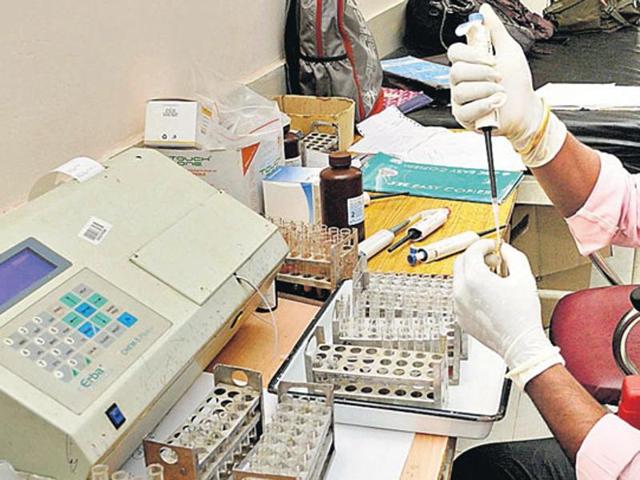 | The different tests available are tridot test :300 elisa test :1000 western blot test :3000 cd4 testing :2000 viral load testing :5000 cd4 and viral... View product → |
Understand non-reactive, reactive, indeterminate and invalid results
- Non-reactive means the test found no HIV markers in the specimen. It does not exclude infection during the window period, so repeat testing on the date the centre recommends, especially after a recent exposure.
- Reactive means the screening test detected HIV-related markers, but it is preliminary, not a diagnosis. Do not donate blood or assume your status; the laboratory must perform supplemental testing.
- Indeterminate means supplemental testing did not clearly confirm or exclude HIV. An HIV-1 NAT can resolve possible acute infection, particularly when Early HIV Detection matters after a recent exposure.
- Invalid means the test did not produce a usable result, often because the control line failed or the specimen was inadequate. Arrange a repeat specimen rather than treating it as negative.
A negative result soon after exposure needs follow-up because tests detect HIV at different times: NATs about 10–33 days, laboratory antigen/antibody tests 18–45 days, rapid antigen/antibody tests 18–90 days, and antibody tests 23–90 days. Ask the centre for the repeat date for the exact test used.
After a reactive, indeterminate or invalid result, keep your follow-up appointment and ask when results will be released. Confidential HIV Testing includes counselling, result explanation and referral for treatment or prevention. If acute infection is suspected, ask whether NAT is appropriate rather than waiting without medical advice.
Frequently asked questions
When should you visit an HIV Test Centre?
Visit for routine screening, after a possible exposure, or when a change in your health prompts testing. Testing before symptoms appear supports early HIV detection.
When should you repeat an HIV test after exposure?
Test promptly after a possible exposure, then plan repeat testing based on the test’s window period and the testing algorithm used by the centre.
What should you expect from confidential HIV testing?
A confidential visit includes a private discussion, information about the test and window period, sample collection, and an explanation of your result and next steps.
What do non-reactive, reactive, indeterminate and invalid HIV results mean?
Non-reactive means no HIV antibodies or antigens were detected by that test. Reactive results require confirmatory testing. Indeterminate results need further assessment, while invalid results require repeat testing with a new sample.
Keywords