
Do not stop or skip antiretroviral tablets because nausea, diarrhoea, dizziness, rash, or fatigue begins. The right response depends on the symptom’s danger, its timing, possible interactions, and whether the current regimen is still controlling HIV. By the end, you will know when supportive care is enough, when a clinician may adjust or replace medicines, and which tests protect viral suppression during a change.
Key takeaways
- Seek urgent care for facial swelling, breathing trouble, jaundice, or severe weakness.
- Do not stop antiretroviral treatment without speaking to your HIV clinician.
- Record symptoms, medicines, doses, and timing before your medical review.
- A clinician checks other illnesses and drug interactions before changing treatment.
Which HIV medicine side effects need urgent medical attention?
Facial or throat swelling, breathing difficulty, fainting, jaundice, severe abdominal pain, or severe weakness needs urgent medical assessment. Do not self-treat a serious rash or wait for a routine appointment.
- Seek emergency care for a widespread blistering or peeling rash, or a rash with fever or sores affecting the mouth, eyes, or genitals.
- Treat suicidal thoughts or psychosis as emergencies, particularly with efavirenz-related mood or sleep symptoms.
- Possible lactic acidosis needs urgent assessment. Warning signs include profound weakness, rapid or difficult breathing, persistent vomiting, abdominal pain, and unusual sleepiness.
- If abacavir hypersensitivity is suspected, stop abacavir only under urgent clinical direction and never restart it. This rule applies even after a negative HLA-B*5701 result or when the diagnosis remains uncertain.
| Symptom | Action | Why it matters |
|---|---|---|
| Mild nausea, headache, or diarrhoea without red flags | Record it and discuss it promptly | It can improve, but reassessment is needed if it persists, worsens, or disrupts eating, drinking, sleep, or work |
| Severe, worsening, or disabling symptoms | Contact your HIV clinician urgently | The cause could be toxicity, infection, or another illness |
| Emergency warning signs above | Seek emergency care now | Waiting can worsen a dangerous drug reaction or illness |
New fever, cough, shortness of breath, severe headache, vision changes, persistent vomiting, or marked weight loss also needs clinical evaluation. These symptoms can reflect an HIV-related infection or another condition, not simply antiretroviral side effects. This triage comes before choosing HIV medication side effects treatment options and is essential antiretroviral side effects help.
What should you do when side effects begin?
Do not stop, skip, halve, or take only part of an HIV regimen because of side effects without medical advice. An interruption can cause viral rebound, loss of treatment response, and drug resistance. Seek emergency care for severe symptoms rather than waiting for a call back.
The immediate rule for hiv treatment for when medicines cause side effects is to contact your HIV clinician promptly and preserve effective treatment while the cause is checked.
Tell the clinician:
- The exact medicine names, strengths, start dates, symptom onset, dose times, and whether each dose is taken with food
- Every prescription medicine, over-the-counter product, supplement, alcohol use, and recreational drug
- Your temperature, weight change, bowel frequency, rash appearance, vomiting, and any missed doses
For manageable symptoms, prompt antiretroviral side effects help may involve hydration, taking a dose with food, changing the dosing time, or using loperamide after diarrhoea has been assessed and it is appropriate. Do not assume diarrhoea is a drug effect.
Dolutegravir and bictegravir interact with aluminium, magnesium, calcium, and iron in antacids or mineral supplements. These products can reduce absorption and resemble treatment failure. Changing the spacing between them may solve the problem without changing HIV treatment; follow the product-specific instructions or ask your clinician.
How can a clinician tell a side effect from another illness or drug interaction?
A symptom’s timing often provides the first clue. The clinician asks when it began, whether it follows each dose, whether food changes it, and whether it improves before the next dose. That pattern alone does not prove an antiretroviral caused it.
1. Review every HIV medicine, dose, start date, previous regimen, viral-load results, resistance history, prescription and over-the-counter medicines, supplements, alcohol, and recreational drugs. Check pregnancy status when relevant and hepatitis B status before changing treatment.
2. Check kidney and liver function and look for another illness. Tests can include creatinine, estimated glomerular filtration rate, liver enzymes, blood counts, pregnancy testing, viral load, and a CD4 count when clinically relevant. Order HIV drug-resistance testing when treatment failure or resistance is suspected.
3. Investigate symptoms that do not fit simple toxicity. Diarrhoea could result from an antiretroviral, infection, inflammatory bowel disease, malignancy, diet, or another medicine. Fever, cough, shortness of breath, severe headache, vision changes, persistent vomiting, or marked weight loss can signal HIV-related illness or immune reconstitution inflammatory syndrome.
Rifampin and other tuberculosis medicines can lower concentrations of several antiretrovirals. Antifungal or herpes treatments can also interact. Coordinating HIV and tuberculosis care prevents HIV treatment problems with medicines from being mistaken for treatment failure, and makes changing HIV medicines because of side effects safer.
Which treatment options match common antiretroviral side effects?
Mild nausea, headache, diarrhoea, or fatigue that starts soon after treatment may settle during the first weeks. Your clinician may suggest food with a dose, a different dosing time, hydration, or targeted treatment; persistent, worsening, or disabling symptoms justify reassessment.
| Problem | Possible response | Important checks |
|---|---|---|
| Mild nausea, headache, diarrhoea, or fatigue | Supportive treatment, monitoring, or timing and food changes | Assess hydration and another illness or medicine if symptoms persist |
| Abnormal dreams, dizziness, insomnia, or mood symptoms on efavirenz | Discuss replacing efavirenz with another effective agent if symptoms continue | Alcohol and recreational drugs can worsen symptoms; suicidal thoughts require urgent care |
| Persistent rash | Examination before you take another dose | Severe rash requires emergency assessment |
| Kidney decline or bone concern on tenofovir disoproxil fumarate | Consider tenofovir alafenamide or a suitable non-tenofovir option | Review eGFR, fracture risk, resistance, and hepatitis B; stopping hepatitis-B-active treatment without replacement can cause a flare |
| Weight gain | Measure and investigate before considering a switch | Review baseline weight, diet, activity, metabolic disease, other medicines, and HIV recovery |
| Confirmed drug toxicity or interaction | Remove the interaction, substitute one drug, or change the complete regimen | The replacement must remain fully active |
Changing HIV medicines because of side effects is a regimen-design decision, not simply replacing the suspected tablet. The clinician uses your treatment history, viral load, resistance results, kidney and liver tests, hepatitis B status, pregnancy potential, and other medicines.
Do not stop or skip treatment independently: contact your HIV clinician so the appropriate hiv medication side effects treatment options can preserve HIV control.
When is changing HIV medicines because of side effects safe?
An intolerance switch is safe when symptoms are severe, persistent, disabling, dangerous, or caused by a preventable toxicity. If HIV is suppressed, a carefully chosen switch can preserve suppression; waiting for treatment failure is unnecessary. Do not switch because of symptoms alone or cost alone.
Changing HIV medicines because of side effects is a regimen-design decision, not simply replacing one suspected tablet.
Before selecting a replacement, the clinician reviews:
- Your complete HIV treatment history, viral-load results, and resistance testing
- Kidney results, including creatinine and estimated glomerular filtration rate, plus liver tests
- Hepatitis B status and pregnancy potential
- Every prescription, over-the-counter medicine, supplement, and interaction
- Whether fever, weight loss, cough, diarrhoea, or another symptom reflects an infection or illness instead
The replacement should generally contain at least two, preferably three, fully active drugs, unless an expert-supported switch strategy applies. Do not stop the suspected tablet while continuing an incomplete regimen; viral rebound, loss of treatment response, and resistance can follow.
A safe HIV treatment for when medicines cause side effects may involve supportive care, removing an interaction, or replacing one or more drugs. HIV treatment problems with medicines need a coordinated plan, not trial and error.
After changing treatment, the clinician checks adherence, symptoms, laboratory safety, and viral load. Hiv @ AIDS CLINIC in Hyderabad can help review interactions, monitoring results, treatment history, and related infections before creating a clear dosing plan and follow-up date.
Related products
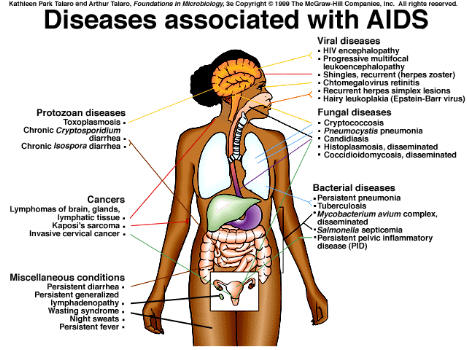 | Treatment Of Common Infections In HIV Tuberculosis treatment Pneumonia treatment fungal infection eg candidiasis treatment gastroenteritis treatment herpes simlex / zoster View product → |
 | Will counsel patients regarding hiv/aids about how hiv gets transmitted and how it is not transmitted counsel about the stagesof hiv/aids counsel... View product → |
Frequently asked questions
Which HIV medicine side effects need urgent medical attention?
Seek urgent assessment for facial or throat swelling, breathing difficulty, fainting, jaundice, severe abdominal pain, severe weakness, or a severe rash.
What should you do when HIV medicine side effects begin?
Contact your HIV clinician, record when symptoms started, and list every medicine, supplement, and recreational drug you use. Do not stop treatment without medical advice.
How can a clinician tell a side effect from another illness or drug interaction?
The clinician reviews symptom timing, examines you, checks your full medicine list, and orders tests when needed to identify infection, organ problems, or interactions.
Which treatment options match common antiretroviral side effects?
Options include supportive treatment, changing the dose or schedule, switching one medicine, or selecting a different complete HIV regimen after clinical review.
When is changing HIV medicines because of side effects safe?
A clinician can plan a safe change after checking your viral load, treatment history, resistance results, other medicines, and the risk of treatment interruption.
Related items
 | The different tests available are tridot test :300 elisa test :1000 western blot test :3000 cd4 testing :2000 viral load testing :5000 cd4 and viral... View product → |
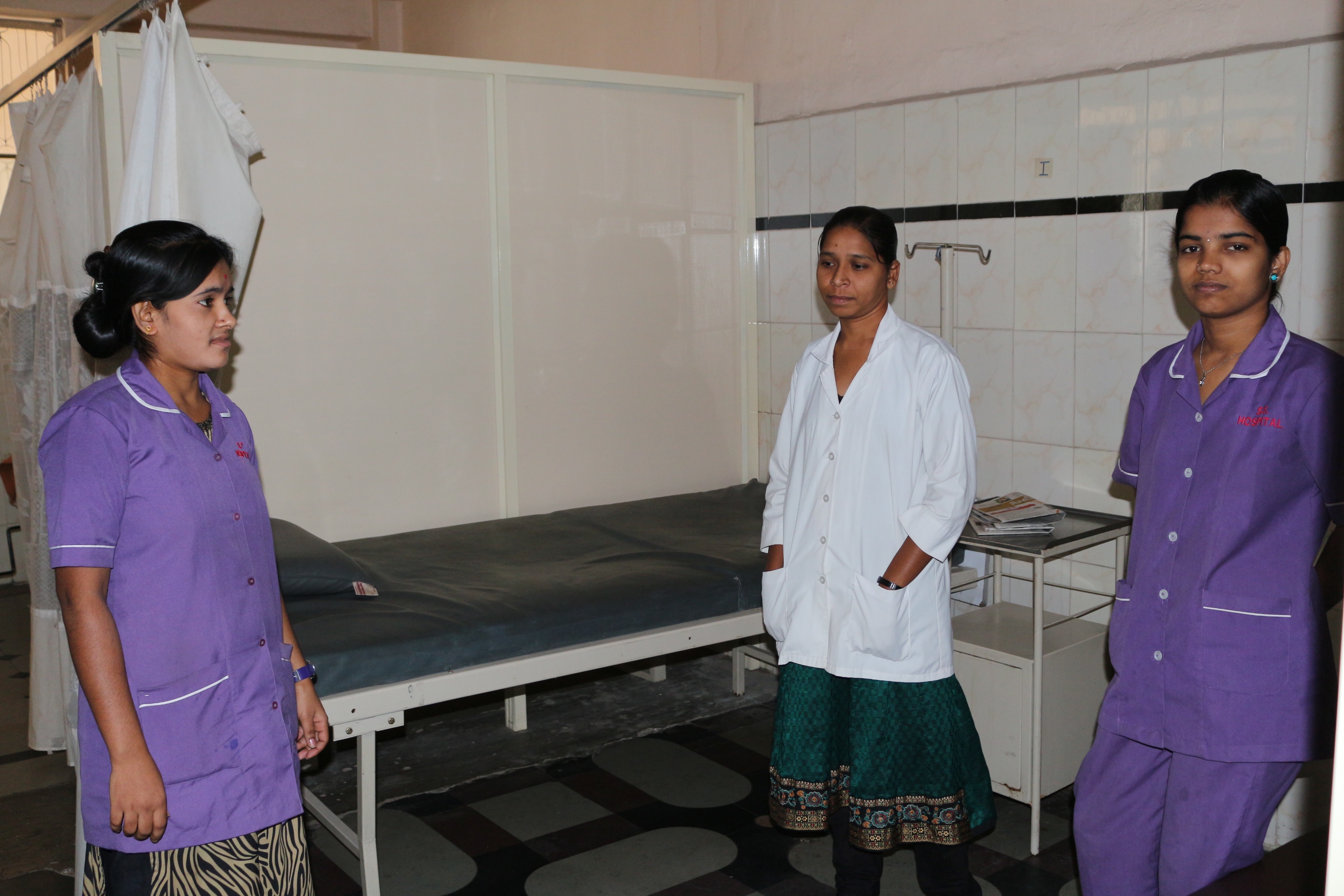 | ADMISSION OF SICK HIV/AIDS PATIENTS The Hospital has separate wards and isolation rooms meant for admitting hiv patients in the second floor with good nursing care. View product → |
General Consultation ₹500 General Consultation |
Keywords