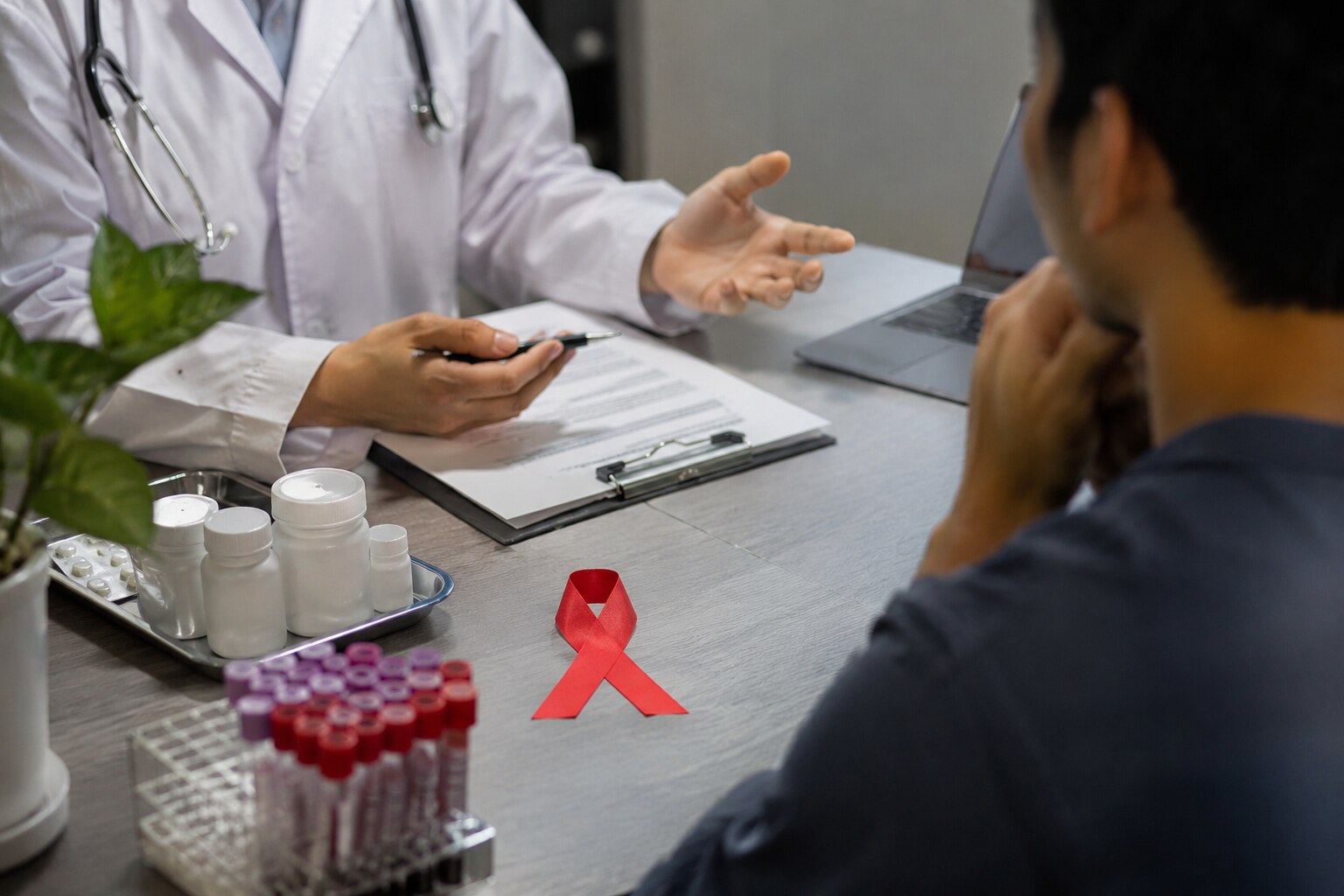
A negative HIV test immediately after exposure does not always rule out infection, and a reactive screening result is not yet a final diagnosis. You will learn which tests and follow-up steps matter, when antiretroviral therapy begins, how treatment is monitored, and how to choose safe, continuous HIV medical care.
Key takeaways
- HIV RNA testing can detect infection earliest after a possible exposure.
- A fourth-generation antigen-antibody test detects infection earlier than antibody-only testing.
- Start antiretroviral therapy promptly after confirmed HIV diagnosis.
- Report severe symptoms and take HIV medicines exactly as prescribed.
What early HIV diagnosis means after a possible exposure
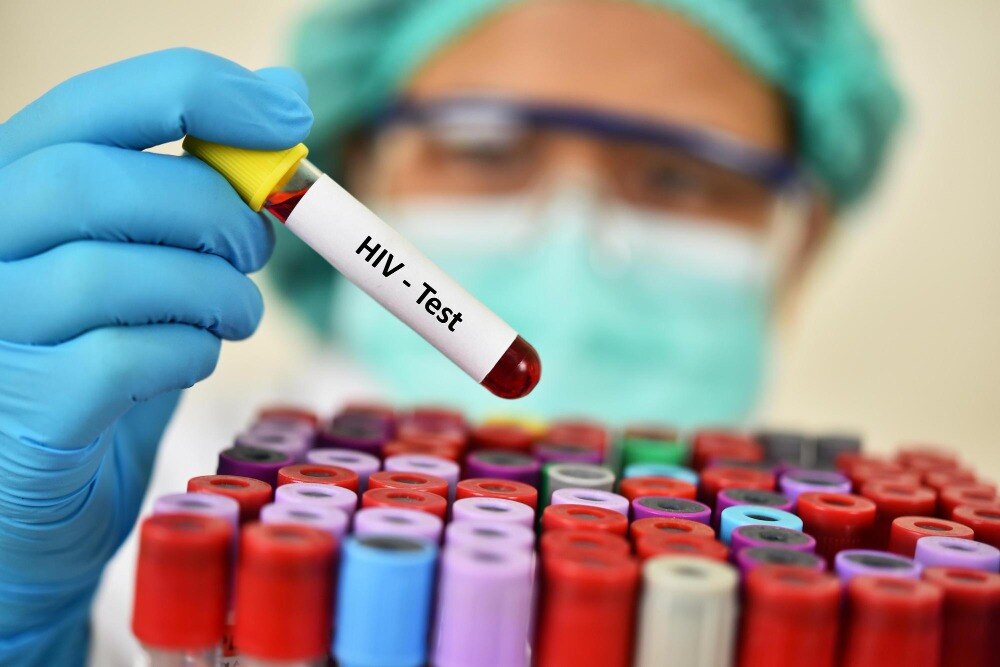
An HIV nucleic-acid test, usually an HIV RNA test, can detect infection earliest. A laboratory fourth-generation HIV-1/2 antigen-antibody test usually detects infection earlier than an antibody-only test, but every test has a window period after exposure.
A negative result soon after exposure can be falsely reassuring because infection may not yet be detectable. Arrange repeat testing, or ask about an HIV RNA test, after a recent high-risk exposure or symptoms such as fever, rash, sore throat or swollen glands.
After a possible substantial exposure:
- Seek post-exposure prophylaxis (PEP) immediately, ideally within 24 hours and no later than 72 hours.
- Take PEP for the complete 28-day course if prescribed; PEP prevents infection after exposure and does not treat established HIV.
- Get urgent clinical advice even if more than 72 hours have passed, because you may need testing, follow-up or prevention for ongoing risk.
- Treat a reactive rapid test or self-test as a screening result requiring laboratory confirmation. A positive screening result is not a final diagnosis.
If infection is confirmed, begin Early HIV Treatment and HIV Medical Care promptly. A clinician will select treatment and arrange follow-up testing; do not start, stop or change HIV medicines without qualified advice.
Which HIV tests confirm infection and what happens next
A reactive rapid test or self-test is a screening result, not a diagnosis. Expect laboratory confirmation through this pathway:
| Test or result | Next step | Purpose |
|---|---|---|
| Fourth-generation HIV-1/2 antigen-antibody test | If reactive, perform an HIV-1/HIV-2 antibody differentiation assay | Confirms and identifies established infection |
| Indeterminate or negative differentiation assay | Perform an HIV-1 nucleic-acid test when acute infection remains possible | Detects early HIV-1 infection |
Western blot is not automatically the next test because the differentiation assay and nucleic-acid test provide faster, more useful answers, including during acute infection.
After confirmation, baseline HIV Infection Management should document:
- Viral load, CD4 count and an HIV drug-resistance genotype
- Kidney and liver function, plus hepatitis A, B and C status
- Tuberculosis screening and assessment for other sexually transmitted and opportunistic infections
- Pregnancy testing when relevant
- Allergies, supplements, prescription drugs and recreational drugs, with interaction checks
Do not interpret one CD4 count or viral-load result alone; trends and symptoms provide context. HIV Medical Care should not wait for every baseline result unless a clinician identifies a specific reason, because delaying treatment can increase risk.
How antiretroviral therapy controls HIV and when to start it
HIV Infection Treatment combines medicines that block different stages of HIV replication. This lowers the viral load, gives the immune system an opportunity to recover and reduces HIV-related illness and transmission risk. ART controls HIV; it does not cure it, because latent virus remains in the body. Treatment is therefore normally lifelong.
Everyone with diagnosed HIV should start ART as soon as possible, regardless of CD4 count or symptoms. Same-day treatment is sometimes appropriate when a suitable regimen, baseline assessment and follow-up are available. For most adults and adolescents, the initial regimen contains an integrase strand-transfer inhibitor plus two nucleoside reverse-transcriptase inhibitors.
The clinician tailors that regimen to:
- Resistance results, previous ART exposure, kidney or liver disease, pregnancy and hepatitis B
- Tuberculosis medicines, other prescription or recreational drugs, allergies, side effects, age and cost
- Cryptococcal meningitis, which usually requires delaying ART for about 4–6 weeks after antifungal treatment starts
- Tuberculosis meningitis, which requires specialist timing
- Pulmonary tuberculosis, where ART generally starts within two weeks if CD4 is below 50 cells/mm³, or within two to eight weeks otherwise
Early HIV Treatment should not be postponed while waiting for every baseline result unless a clinician identifies a specific safety reason. Do not stop or change ART without qualified advice: viral load can rebound, disease can progress and drug resistance can develop.
Taking HIV medicines safely and responding to treatment results
Take ART at the prescribed time every day. Reliable dosing keeps HIV suppressed; HIV Infection Treatment controls the virus but does not remove latent HIV, so treatment is normally lifelong.
1. If you miss a dose, ask your clinician or pharmacist what to do. Never double the next dose, share medicines, stop suddenly or switch treatment without qualified advice. Abrupt stopping can cause viral rebound, disease progression and drug resistance.
2. Report nausea, other side effects, depression or stigma early. Ask about reminders, a simpler regimen, mental-health care, peer support and practical help with work schedules, travel, food insecurity, transport, unstable housing, violence, substance use or refill problems.
3. Viral load is the main measure of treatment effectiveness. One isolated detectable result does not automatically mean treatment failure; a persistent or rising viral load requires review of adherence, drug interactions, absorption, medicine access and resistance before changing the regimen.
4. CD4 count shows immune suppression and helps guide opportunistic-infection prevention. A CD4 count below 200 cells/mm³ is one indication for Pneumocystis jirovecii pneumonia prophylaxis, alongside symptoms, previous infections and local guidance.
Confirm the clinic’s current viral-load and CD4 testing schedule, including which results are explained during care. HIV Infection Management should include a clear plan for missed appointments, refills, side effects and test-result follow-up.
Managing infections, urgent symptoms and long-term health
Routine outpatient care is insufficient when fever, cough, breathlessness, confusion, persistent vomiting, dehydration, seizures, sudden vision changes or rapidly worsening illness develops. Seek urgent medical assessment instead of waiting for a routine visit; severe illness or advanced infection is safer in a hospital with inpatient assessment.
Clinicians investigate tuberculosis, pneumonia, candidiasis, herpes, gastroenteritis and unusual or recurrent infections through examination, targeted laboratory tests, imaging or cultures. Do not self-treat or assume every symptom is HIV-related.
Good HIV Medical Care and HIV Infection Management also include a continuing health checklist:
- Review ART with tuberculosis and other anti-infective medicines; coordinate doses and timing to prevent interactions.
- Check vaccinations, cancer screening, kidney and liver function, cardiovascular and metabolic risks.
- Address mental health, nutrition, sexual health and reproductive planning.
- During pregnancy, start ART promptly, continue it after delivery, monitor viral load near delivery and give the newborn antiretroviral prophylaxis.
A pregnancy care team uses the viral-load result to plan delivery and newborn care. Keep every clinician informed about ART, supplements, over-the-counter medicines and recreational drugs, because an interaction can reduce HIV treatment or infection-treatment effectiveness.
Choosing care that protects privacy, continuity and prevention
Choose a clinic that can show you a safe, documented pathway for continuous HIV Medical Care. Check whether qualified HIV clinicians review viral load and CD4 in context, provide baseline and follow-up laboratories, order resistance testing when indicated, explain emergency escalation, protect uninterrupted refills, and record drug-interaction checks.
- Confirm pregnancy, TB and hepatitis coordination, plus infection-control procedures.
- Confirm confidential records, informed consent, and systems for missed appointments, travel and transfers.
| Prevention | What it does | Important limit |
|---|---|---|
| Condoms | Reduce HIV and other STI risk | Use consistently |
| PrEP | Helps people with ongoing HIV exposure risk | Does not prevent every STI |
| ART with U=U | No sexual HIV transmission when ART produces and maintains an undetectable viral load | U=U does not prevent other STIs; interruptions can restore transmission risk |
Partner notification should use confidential, consent-based support, not forced disclosure; family testing is appropriate when indicated. Early HIV Treatment and HIV Infection Management benefit from one coordinated pathway. Hiv @ AIDS CLINIC can combine testing, ART follow-up, counselling, infection assessment and referral. Do not start, stop or change ART without a qualified HIV clinician.
Related products
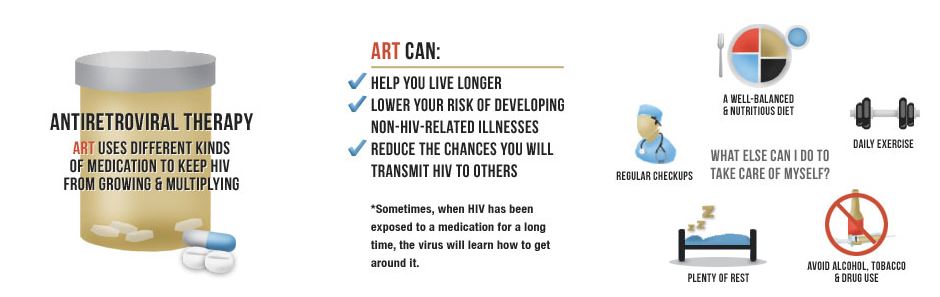 | There are different medicines for treating hiv patients .we choose regimen depending on the age of the patient , affordability of the patients and... View product → |
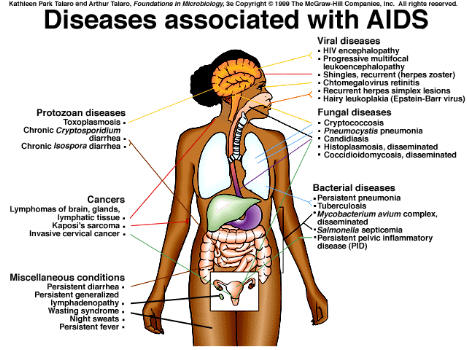 | Treatment Of Common Infections In HIV Tuberculosis treatment Pneumonia treatment fungal infection eg candidiasis treatment gastroenteritis treatment herpes simlex / zoster View product → |
Frequently asked questions
Which HIV test can detect infection earliest after exposure?
An HIV nucleic-acid test, usually an HIV RNA test, can detect infection earliest. A laboratory fourth-generation HIV-1/2 antigen-antibody test detects infection earlier than an antibody-only test, but all tests have a window period.
When should antiretroviral therapy start after an HIV diagnosis?
Start antiretroviral therapy as soon as possible after confirmed HIV infection, with a clinician checking the treatment plan, other medicines, kidney and liver health, and possible drug interactions.
How does antiretroviral therapy control HIV?
Antiretroviral therapy uses a combination of medicines to block HIV replication. Taking it consistently lowers the viral load, supports immune recovery, and reduces the risk of transmitting HIV when viral suppression is maintained.
When should someone receiving HIV medical care seek urgent help?
Seek urgent medical help for severe breathing difficulty, confusion, seizures, fainting, chest pain, persistent vomiting, severe dehydration, or rapidly worsening symptoms. Contact your HIV care team about medicine side effects or missed doses.
Related products
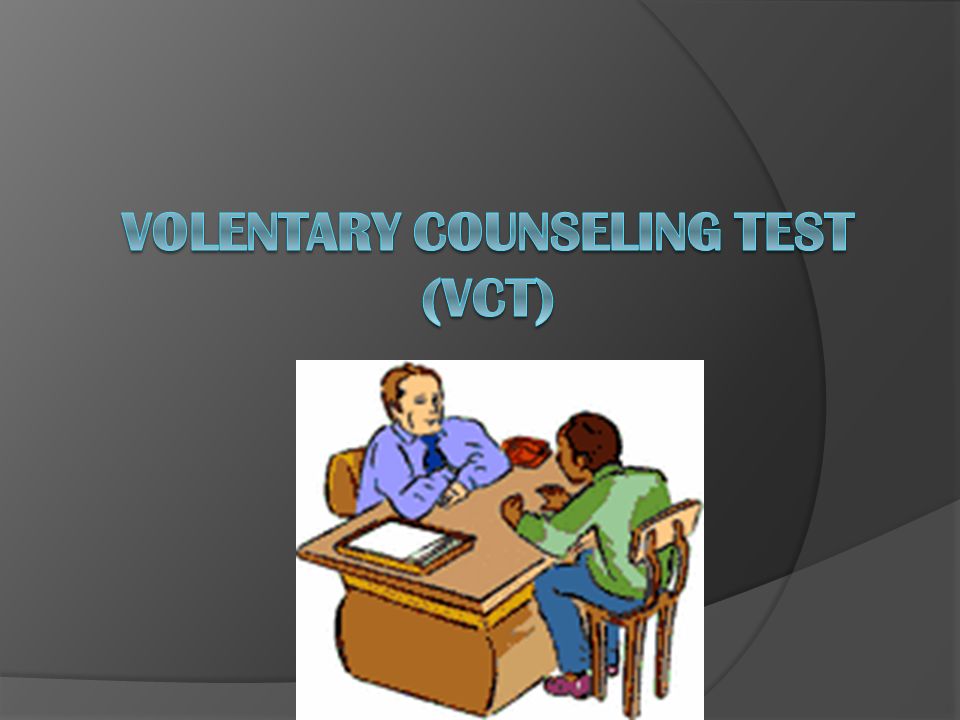 | Will counsel patients regarding hiv/aids about how hiv gets transmitted and how it is not transmitted counsel about the stagesof hiv/aids counsel... View product → |
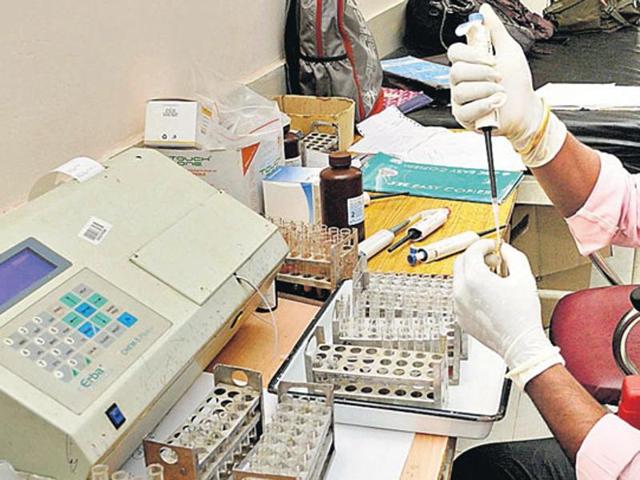 | The different tests available are tridot test :300 elisa test :1000 western blot test :3000 cd4 testing :2000 viral load testing :5000 cd4 and viral... View product → |
Keywords