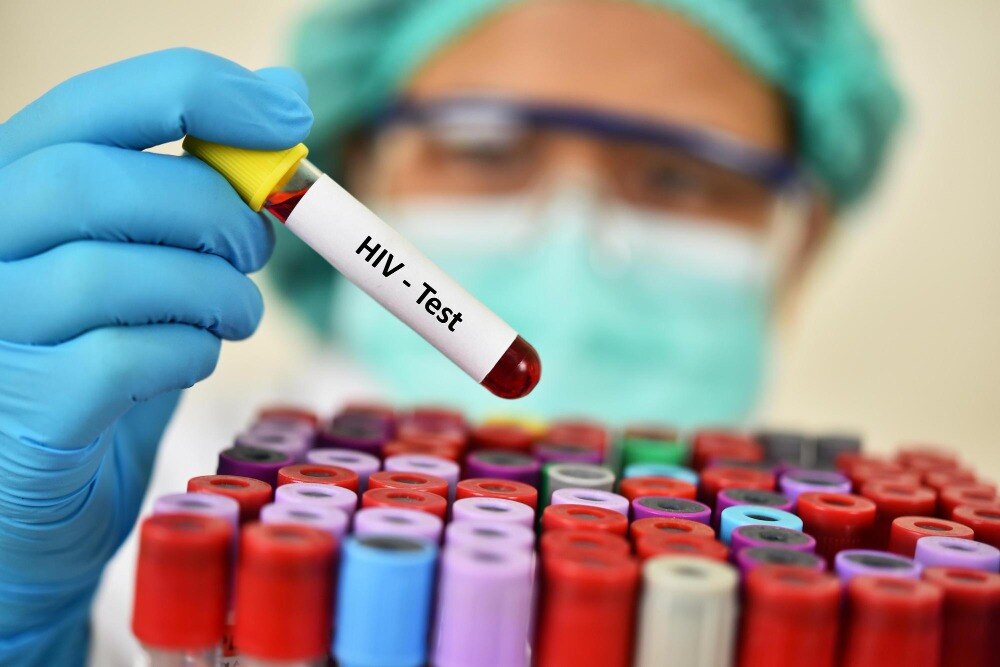
HIV viral load shows how actively HIV is reproducing in the blood, while treatment works by blocking that reproduction rather than removing HIV from the body. By following the treatment, testing and adherence principles below, you can understand what results mean, when suppression is expected and what to do if the viral load remains detectable.
Key takeaways
- Undetectable means HIV RNA is below the test’s detection limit, not that HIV is cured.
- Take ART Treatment exactly as prescribed to maintain viral suppression.
- Check drug interactions before starting medicines, supplements or herbal products.
- Contact your HIV care team after a detectable result; do not stop Antiretroviral Medication.
What HIV viral load measures—and what “undetectable” means
A viral-load result tells you how much HIV RNA is in a blood sample, usually reported as copies per millilitre. HIV Viral Load is the main laboratory measure of how strongly Antiretroviral Therapy for HIV is suppressing viral replication.
“Undetectable” means the amount of HIV RNA is below the detection limit of that particular test. It does not mean HIV has disappeared from the body. Assays use different lower limits, so a low-level detectable result does not automatically show that treatment has failed.
A CD4 count answers a different question: how well HIV-related damage has affected your immune system. Viral load measures the virus; CD4 measures immune-cell status. A person can have an undetectable viral load and still develop an HIV-related illness or opportunistic infection if immune damage occurred before treatment began.
Use both results in clinical context:
- Sustained undetectable viral load while taking ART means HIV is not sexually transmitted. This is U=U, or undetectable equals untransmittable.
- U=U does not prevent other sexually transmitted infections or pregnancy.
- Viral suppression does not replace CD4-related preventive care, vaccinations, examination, or treatment for another infection when indicated.
A clinician may still review symptoms and immune recovery even after an undetectable result. During pregnancy, ART also lowers the risk of perinatal transmission, but do not stop or switch medicines without pregnancy-specific advice from an HIV clinician.
How antiretroviral medication suppresses HIV replication
ART Treatment lowers viral load by blocking the steps HIV needs to make new copies. After HIV enters a CD4 cell, it converts its RNA into DNA, inserts that DNA into the cell’s genetic material, produces viral components and assembles new virus.
Antiretroviral Medication interrupts these stages, so fewer infected cells release HIV into the blood.
A complete regimen usually contains two or three active medicines from at least two drug classes. It can fit into one tablet or require several pills; the number of tablets does not tell you how many medicines are working.
- Reverse transcriptase inhibitors block HIV’s conversion of RNA into DNA.
- Integrase inhibitors stop HIV DNA from inserting into the CD4 cell’s DNA.
- Protease inhibitors prevent newly made viral proteins from becoming usable virus.
- Entry or capsid inhibitors interfere with HIV entering cells or assembling correctly.
Using more than one active medicine makes it harder for HIV to survive treatment through a resistance mutation. If one drug loses activity, the others can still suppress replication; using one drug alone gives resistant virus a much easier route to multiply.
The regimen must be taken consistently because missed doses reduce drug levels and give HIV opportunities to replicate.
ART controls HIV but does not remove every infected cell. HIV can remain hidden in latent reservoirs, so treatment suppresses replication rather than curing the infection.
What to expect after starting ART and monitoring viral suppression
A substantial HIV viral load drop often appears within the first few weeks of effective ART treatment. Many people reach an undetectable result within 3 to 6 months, but the starting viral load, adherence, drug interactions, resistance, regimen and other illnesses affect the timeline.
Your clinician may repeat an HIV RNA viral-load test 2 to 8 weeks after starting or changing treatment, then every 4 to 8 weeks until suppression; once stable, testing is usually every 3 to 6 months.
| Result | What it means | What happens next |
|---|---|---|
| Undetectable | HIV is below that test’s detection limit; it has not disappeared | Continue ART and scheduled monitoring. Sustained suppression prevents sexual HIV transmission (U=U), but not other sexually transmitted infections or pregnancy |
| Blip | A brief, low-level detectable increase after suppression | Repeat the test and review adherence, illness and interactions; one blip often re-suppresses without changing ART |
| Rebound | A confirmed return of detectable virus after suppression | Contact your clinician promptly for repeat testing, adherence and interaction review, and resistance testing when indicated |
Feeling better does not prove suppression, and symptoms can persist despite an undetectable result. Advanced HIV can leave immune damage, while IRIS can inflame an existing infection after ART begins. Continue CD4-guided prevention, vaccinations and infection care. Never stop or change ART because of one result.
When viral load stays detectable: causes, interactions and safe next steps
A detectable HIV viral load that persists can result from missed doses, difficulty taking medicine on schedule, drug resistance, drug interactions, poor absorption, or an illness that changes drug levels. The starting viral load and the time since treatment began also affect how quickly suppression occurs.
A single low result after suppression may be a blip, not treatment failure.
1. Keep taking your Antiretroviral Medication exactly as prescribed. Do not skip doses or stop treatment to see whether you still need it; interruption can cause viral rebound and encourage resistance.
2. Tell your HIV clinician about every prescription, over the counter medicine, supplement, and recreational drug. Also report vomiting, diarrhoea, swallowing problems, food restrictions, and missed doses, because these can reduce drug exposure.
3. Arrange a repeat HIV viral load test and review the trend with your clinician. Persistent elevation above the guideline’s failure threshold or a confirmed rebound after suppression requires assessment, which can include resistance testing and a review of absorption, interactions, and dosing.
4. Contact the clinician promptly if you are pregnant, planning pregnancy, or breastfeeding. Pregnancy can change regimen decisions, but stopping or switching without pregnancy specific advice can increase transmission risk.
An undetectable result means HIV is below that assay’s detection limit, not that it has left your body. Viral suppression also does not rule out an opportunistic infection or illness caused by earlier immune damage, so seek clinical assessment for new symptoms rather than changing ART yourself.
Making lifelong HIV care workable
Choose a service that can follow you between routine visits, not merely dispense tablets. Compare how it handles refills, side effects, pregnancy, other illnesses, and missed appointments before you start. A reliable plan names a contact, refill lead time, and what happens if you lose access or move.
| Check | Strong service | Warning sign |
|---|---|---|
| Refills | Gives renewal dates and a backup process | You discover delays only when tablets run out |
| Side effects | Reviews symptoms and medicines before changing ART Treatment | Staff tell you to stop without assessment |
| Coordination | Links HIV care with pregnancy, tuberculosis, hepatitis, kidney or liver care | Each clinician works without your medication list |
- How early should I request a refill?
- Who reviews side effects, and how quickly?
- What should I do after missed doses or lost tablets?
- Will you check for interactions with new medicines?
- How will pregnancy, contraception, or a move change my care?
- Can you arrange viral-load monitoring and clinical review?
Pregnancy requires a pregnancy-specific review; do not stop or switch Antiretroviral Therapy for HIV without an HIV clinician. At Hiv @ AIDS CLINIC, ask how treatment, counselling, refills, and infections are coordinated in one record. Sustained undetectable viral load means no sexual HIV transmission, but it does not prevent other sexually transmitted infections or pregnancy.
Viral suppression also does not replace assessment for opportunistic infections, vaccinations, or CD4-related preventive care.
Related products
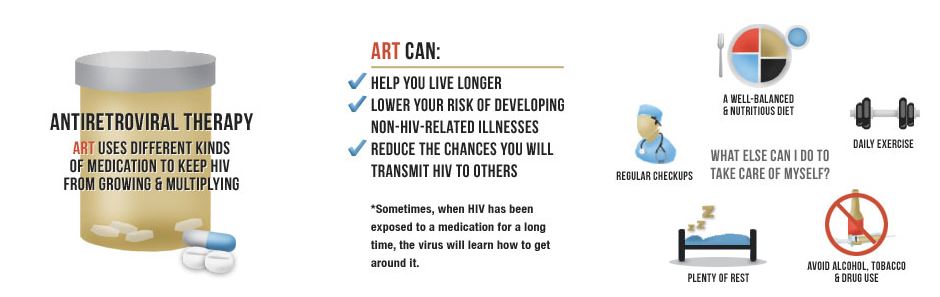 | There are different medicines for treating hiv patients .we choose regimen depending on the age of the patient , affordability of the patients and... View product → |
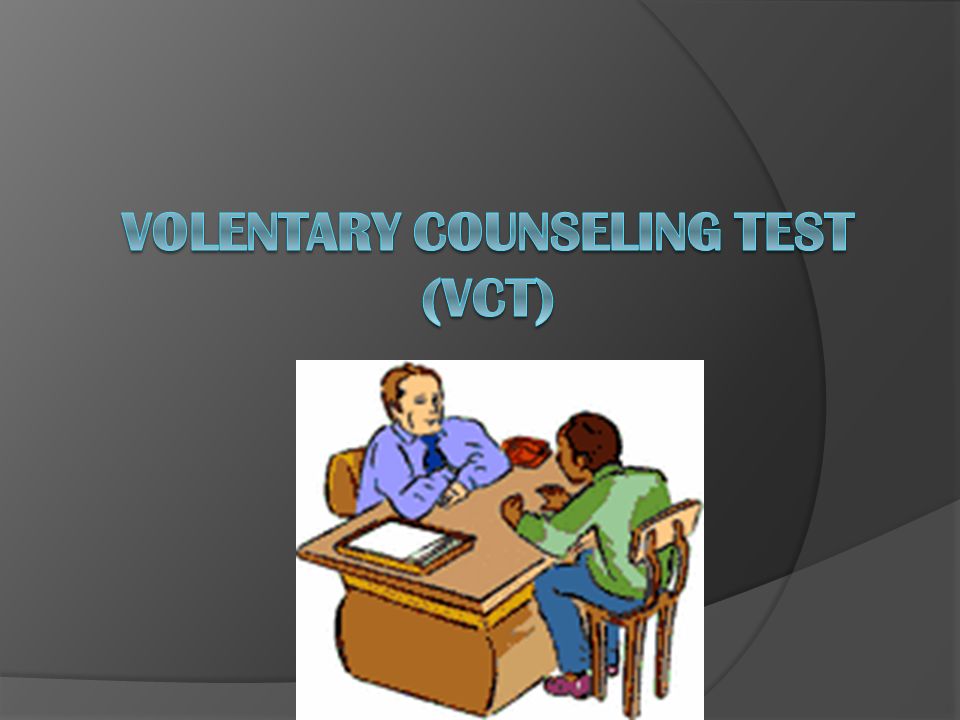 | Will counsel patients regarding hiv/aids about how hiv gets transmitted and how it is not transmitted counsel about the stagesof hiv/aids counsel... View product → |
Frequently asked questions
What does an HIV viral load test measure?
It measures the amount of HIV RNA in a blood sample, usually reported as copies per millilitre.
What does an undetectable HIV viral load mean?
It means HIV RNA is below the detection limit of the test. HIV remains in the body, so continue ART Treatment.
How does antiretroviral medication lower viral load?
Antiretroviral Medication blocks stages of HIV replication, reducing the amount of new virus produced.
What should you do if your viral load remains detectable?
Take every dose as prescribed, review medicines and supplements for interactions, and contact your HIV care team.
Related items
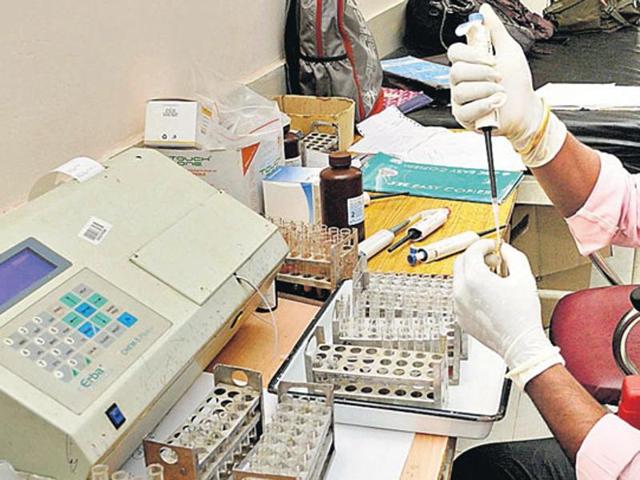 | The different tests available are tridot test :300 elisa test :1000 western blot test :3000 cd4 testing :2000 viral load testing :5000 cd4 and viral... View product → |
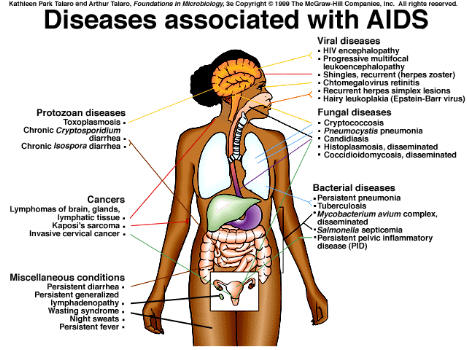 | Treatment Of Common Infections In HIV Tuberculosis treatment Pneumonia treatment fungal infection eg candidiasis treatment gastroenteritis treatment herpes simlex / zoster View product → |
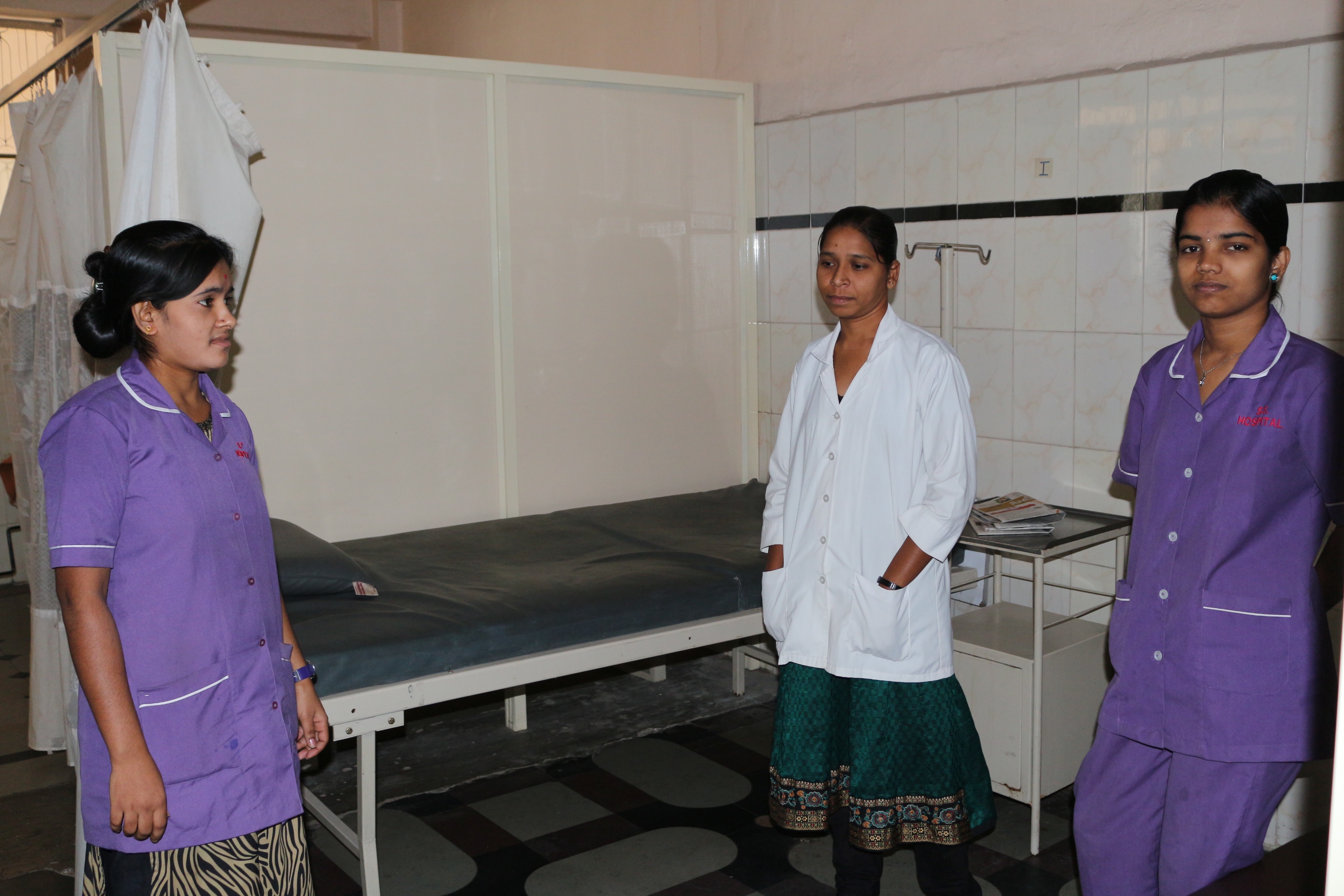 | ADMISSION OF SICK HIV/AIDS PATIENTS The Hospital has separate wards and isolation rooms meant for admitting hiv patients in the second floor with good nursing care. View product → |
₹500 General Consultation View service → |
Keywords